
Get trending papers in your email inbox once a day!
Get trending papers in your email inbox!
Subscribe


Profiling LoRA/QLoRA Fine-Tuning Efficiency on Consumer GPUs: An RTX 4060 Case Study
Fine-tuning large language models (LLMs) with parameter-efficient techniques such as LoRA and QLoRA has enabled adaptation of foundation models on modest hardware. Yet the efficiency of such training on consumer-grade GPUs, especially under strict 8 GB VRAM limits, remains underexplored. We present a controlled profiling study of LoRA/QLoRA fine-tuning using the Qwen2.5-1.5B-Instruct model on a single NVIDIA RTX 4060. Across three representative configurations, we systematically vary batch size, sequence length, optimizer choice (AdamW vs. PagedAdamW), and precision (fp16 vs. bf16). We report throughput (tokens/s), time per 10k tokens, and VRAM footprint, alongside energy estimates derived from GPU board power limits. Our results show that paged optimizers improve throughput by up to 25% (628 tok/s vs. 500 tok/s baseline), while bf16 degrades efficiency relative to fp16. Despite 8 GB constraints, sequence lengths up to 2048 tokens were feasible using parameter-efficient strategies. To our knowledge, this is the first systematic case study of LLM fine- tuning efficiency on consumer GPUs, providing reproducible benchmarks and practical guidelines for resource-constrained researchers and practitioners.

PIM-GPT: A Hybrid Process-in-Memory Accelerator for Autoregressive Transformers
Decoder-only Transformer models such as GPT have demonstrated superior performance in text generation, by autoregressively predicting the next token. However, the performance of GPT is bounded by low compute-to-memory-ratio and high memory access. Throughput-oriented architectures such as GPUs target parallel processing rather than sequential token generation, and are not efficient for GPT acceleration, particularly on-device inference applications. Process-in-memory (PIM) architectures can significantly reduce data movement and provide high computation parallelism, and are promising candidates to accelerate GPT inference. In this work, we propose PIM-GPT that aims to achieve high throughput, high energy efficiency and end-to-end acceleration of GPT inference. PIM-GPT leverages DRAM-based PIM solutions to perform multiply-accumulate (MAC) operations on the DRAM chips, greatly reducing data movement. A compact application-specific integrated chip (ASIC) is designed and synthesized to initiate instructions to PIM chips and support data communication along with necessary arithmetic computations. At the software level, the mapping scheme is designed to maximize data locality and computation parallelism by partitioning a matrix among DRAM channels and banks to utilize all in-bank computation resources concurrently. We develop an event-driven clock-cycle accurate simulator to validate the efficacy of the proposed PIM-GPT architecture. Overall, PIM-GPT achieves 41-137times, 631-1074times speedup and 339-1085times, 890-1632times energy efficiency over GPU and CPU baseline, respectively, on 8 GPT models with up to 1.4 billion parameters.
Onesweep: A Faster Least Significant Digit Radix Sort for GPUs
We present Onesweep, a least-significant digit (LSD) radix sorting algorithm for large GPU sorting problems residing in global memory. Our parallel algorithm employs a method of single-pass prefix sum that only requires ~2n global read/write operations for each digit-binning iteration. This exhibits a significant reduction in last-level memory traffic versus contemporary GPU radix sorting implementations, where each iteration of digit binning requires two passes through the dataset totaling ~3n global memory operations. On the NVIDIA A100 GPU, our approach achieves 29.4 GKey/s when sorting 256M random 32-bit keys. Compared to CUB, the current state-of-the-art GPU LSD radix sort, our approach provides a speedup of ~1.5x. For 32-bit keys with varied distributions, our approach provides more consistent performance compared to HRS, the current state-of-the-art GPU MSD radix sort, and outperforms it in almost all cases.
Benchmarking and Dissecting the Nvidia Hopper GPU Architecture
Graphics processing units (GPUs) are continually evolving to cater to the computational demands of contemporary general-purpose workloads, particularly those driven by artificial intelligence (AI) utilizing deep learning techniques. A substantial body of studies have been dedicated to dissecting the microarchitectural metrics characterizing diverse GPU generations, which helps researchers understand the hardware details and leverage them to optimize the GPU programs. However, the latest Hopper GPUs present a set of novel attributes, including new tensor cores supporting FP8, DPX, and distributed shared memory. Their details still remain mysterious in terms of performance and operational characteristics. In this research, we propose an extensive benchmarking study focused on the Hopper GPU. The objective is to unveil its microarchitectural intricacies through an examination of the new instruction-set architecture (ISA) of Nvidia GPUs and the utilization of new CUDA APIs. Our approach involves two main aspects. Firstly, we conduct conventional latency and throughput comparison benchmarks across the three most recent GPU architectures, namely Hopper, Ada, and Ampere. Secondly, we delve into a comprehensive discussion and benchmarking of the latest Hopper features, encompassing the Hopper DPX dynamic programming (DP) instruction set, distributed shared memory, and the availability of FP8 tensor cores. The microbenchmarking results we present offer a deeper understanding of the novel GPU AI function units and programming features introduced by the Hopper architecture. This newfound understanding is expected to greatly facilitate software optimization and modeling efforts for GPU architectures. To the best of our knowledge, this study makes the first attempt to demystify the tensor core performance and programming instruction sets unique to Hopper GPUs.
Characterizing and Efficiently Accelerating Multimodal Generation Model Inference
Generative artificial intelligence (AI) technology is revolutionizing the computing industry. Not only its applications have broadened to various sectors but also poses new system design and optimization opportunities. The technology is capable of understanding and responding in multiple modalities. However, the advanced capability currently comes with significant system resource demands. To sustainably scale generative AI capabilities to billions of users in the world, inference must be fast and efficient. This paper pinpoints key system design and optimization opportunities by characterizing a family of emerging multi-modal generation models on real systems. Auto-regressive token generation is a critical latency performance bottleneck, typically dominated by GPU idle time. In addition to memory-intensive attention across the generative AI models, linear operations constitute significant inference latency due to the feed forward networks in Transformer-based models. We demonstrate that state-of-the-art optimization levers, spanning from applications to system software and hardware, set a 3.88x better baseline.


A Study on the Intersection of GPU Utilization and CNN Inference
There has been significant progress in developing neural network architectures that both achieve high predictive performance and that also achieve high application-level inference throughput (e.g., frames per second). Another metric of increasing importance is GPU utilization during inference: the measurement of how well a deployed neural network uses the computational capabilities of the GPU on which it runs. Achieving high GPU utilization is critical to increasing application-level throughput and ensuring a good return on investment for deploying GPUs. This paper analyzes the GPU utilization of convolutional neural network (CNN) inference. We first survey the GPU utilization of CNNs to show that there is room to improve the GPU utilization of many of these CNNs. We then investigate the GPU utilization of networks within a neural architecture search (NAS) search space, and explore how using GPU utilization as a metric could potentially be used to accelerate NAS itself. Our study makes the case that there is room to improve the inference-time GPU utilization of CNNs and that knowledge of GPU utilization has the potential to benefit even applications that do not target utilization itself. We hope that the results of this study will spur future innovation in designing GPU-efficient neural networks.
Dissecting Tensor Cores via Microbenchmarks: Latency, Throughput and Numeric Behaviors
Tensor Cores have been an important unit to accelerate Fused Matrix Multiplication Accumulation (MMA) in all NVIDIA GPUs since Volta Architecture. To program Tensor Cores, users have to use either legacy wmma APIs or current mma APIs. Legacy wmma APIs are more easy-to-use but can only exploit limited features and power of Tensor Cores. Specifically, wmma APIs support fewer operand shapes and can not leverage the new sparse matrix multiplication feature of the newest Ampere Tensor Cores. However, the performance of current programming interface has not been well explored. Furthermore, the computation numeric behaviors of low-precision floating points (TF32, BF16, and FP16) supported by the newest Ampere Tensor Cores are also mysterious. In this paper, we explore the throughput and latency of current programming APIs. We also intuitively study the numeric behaviors of Tensor Cores MMA and profile the intermediate operations including multiplication, addition of inner product, and accumulation. All codes used in this work can be found in https://github.com/sunlex0717/DissectingTensorCores.
PipeLLM: Fast and Confidential Large Language Model Services with Speculative Pipelined Encryption
Confidential computing on GPUs, like NVIDIA H100, mitigates the security risks of outsourced Large Language Models (LLMs) by implementing strong isolation and data encryption. Nonetheless, this encryption incurs a significant performance overhead, reaching up to 52.8 percent and 88.2 percent throughput drop when serving OPT-30B and OPT-66B, respectively. To address this challenge, we introduce PipeLLM, a user-transparent runtime system. PipeLLM removes the overhead by overlapping the encryption and GPU computation through pipelining - an idea inspired by the CPU instruction pipelining - thereby effectively concealing the latency increase caused by encryption. The primary technical challenge is that, unlike CPUs, the encryption module lacks prior knowledge of the specific data needing encryption until it is requested by the GPUs. To this end, we propose speculative pipelined encryption to predict the data requiring encryption by analyzing the serving patterns of LLMs. Further, we have developed an efficient, low-cost pipeline relinquishing approach for instances of incorrect predictions. Our experiments on NVIDIA H100 GPU show that compared with vanilla systems without confidential computing (e.g., vLLM, PEFT, and FlexGen), PipeLLM incurs modest overhead (less than 19.6 percent in throughput) across various LLM sizes, from 13B to 175B.

TokenWeave: Efficient Compute-Communication Overlap for Distributed LLM Inference
Distributed inference of large language models (LLMs) can introduce overheads of up to 20% even over GPUs connected via high-speed interconnects such as NVLINK. Multiple techniques have been proposed to mitigate these overheads by decomposing computations into finer-grained tasks and overlapping communication with sub-tasks as they complete. However, fine-grained decomposition of a large computation into many smaller computations on GPUs results in overheads. Further, the communication itself uses many streaming multiprocessors (SMs), adding to the overhead. We present TokenWeave to address these challenges. TokenWeave proposes a Token-Splitting technique that divides the tokens in the inference batch into two approximately equal subsets in a wave-aware manner. The computation of one subset is then overlapped with the communication of the other. In addition, TokenWeave optimizes the order of the layer normalization computation with respect to communication operations and implements a novel fused AllReduce-RMSNorm kernel carefully leveraging Multimem instruction support available on NVIDIA Hopper GPUs. These optimizations allow TokenWeave to perform communication and RMSNorm using only 2-8 SMs. Moreover, our kernel enables the memory bound RMSNorm to be overlapped with the other batch's computation, providing additional gains. Our evaluations demonstrate up to 29% latency gains and up to 26% throughput gains across multiple models and workloads. In several settings, TokenWeave results in better performance compared to an equivalent model with all communication removed.
Splitwise: Efficient generative LLM inference using phase splitting
Recent innovations in generative large language models (LLMs) have made their applications and use-cases ubiquitous. This has led to large-scale deployments of these models, using complex, expensive, and power-hungry AI accelerators, most commonly GPUs. These developments make LLM inference efficiency an important challenge. Based on our extensive characterization, we find that there are two main phases during an LLM inference request: a compute-intensive prompt computation, and a memory-intensive token generation, each with distinct latency, throughput, memory, and power characteristics. Despite state-of-the-art batching and scheduling, the token generation phase underutilizes compute resources. Specifically, unlike compute-intensive prompt computation phases, token generation phases do not require the compute capability of the latest GPUs, and can be run with lower power and cost. With Splitwise, we propose splitting the two phases of a LLM inference request on to separate machines. This allows us to use hardware that is well-suited for each phase, and provision resources independently per phase. However, splitting an inference request across machines requires state transfer from the machine running prompt computation over to the machine generating tokens. We implement and optimize this state transfer using the fast back-plane interconnects available in today's GPU clusters. We use the Splitwise technique to design LLM inference clusters using the same or different types of machines for the prompt computation and token generation phases. Our clusters are optimized for three key objectives: throughput, cost, and power. In particular, we show that we can achieve 1.4x higher throughput at 20% lower cost than current designs. Alternatively, we can achieve 2.35x more throughput with the same cost and power budgets.
NanoFlow: Towards Optimal Large Language Model Serving Throughput
The increasing usage of Large Language Models (LLMs) has resulted in a surging demand for planet-scale serving systems, where tens of thousands of GPUs continuously serve hundreds of millions of users. Consequently, throughput (under reasonable latency constraints) has emerged as a key metric that determines serving systems' performance. To boost throughput, various methods of inter-device parallelism (e.g., data, tensor, pipeline) have been explored. However, existing methods do not consider overlapping the utilization of different resources within a single device, leading to underutilization and sub-optimal performance. We propose NanoFlow, a novel serving framework that exploits intra-device parallelism, which overlaps the usage of resources including compute, memory, and network within a single device through operation co-scheduling. To exploit intra-device parallelism, NanoFlow introduces two key innovations: First, NanoFlow splits requests into nano-batches at the granularity of operations, which breaks the dependency of sequential operations in LLM inference and enables overlapping; then, to get benefit from overlapping, NanoFlow uses an operation-level pipeline with execution unit scheduling, which partitions the device's functional units and simultaneously executes different operations in each unit. NanoFlow automates the pipeline setup using a parameter search algorithm, which enables easily porting NanoFlow to different models. We implement NanoFlow on NVIDIA GPUs and evaluate end-to-end serving throughput on several popular models such as LLaMA-2-70B, Mixtral 8x7B, LLaMA-3-8B, etc.. With practical workloads, NanoFlow provides 1.91x throughput boost compared to state-of-the-art serving systems achieving 59% to 72% of optimal throughput across ported models.


MoETuner: Optimized Mixture of Expert Serving with Balanced Expert Placement and Token Routing
Mixture-of-Experts (MoE) model architecture has emerged as a promising solution for scaling transformer models efficiently, offering sparse activation that reduces computational costs while increasing model capacity. However, as MoE models scale, they need to be distributed across GPU devices, thus face critical performance bottlenecks due to their large memory footprint. Expert parallelism distributes experts across GPUs, however, faces key challenges including an unbalanced token routing and expert activation, resulting in communication tail latency and processing inefficiencies. While existing solutions address some of these issues, they fail to resolve the dual challenges of load imbalance and communication skew. The imbalance in token processing load across experts causes uneven processing times on different GPUs, while communication skew between GPUs leads to unbalanced inter-GPU data transfers. These factors degrade the performance of MoE models by increasing tail latency and reducing overall throughput. To address these limitations, we propose an Integer Linear Programming (ILP) formulation to optimize expert placement by jointly considering token load, communication, and computation costs. We exploit the property that there is a token routing dependency across layers, where tokens routed to a specific expert in one layer are likely to be routed to a limited set of experts in the subsequent layer. Our solution, MoETuner, offers an optimal expert-to-GPU assignment that minimizes inter-GPU token routing costs and balances token processing across devices, thereby reducing tail latency and end-to-end execution time. Experimental results demonstrate 9.3% and 17.5% of end-to-end speedups for single-node and multi-node inference respectively, showcasing the potential of our ILP-based optimization for offering expert parallel solutions for next-generation MoEs.
Orders in Chaos: Enhancing Large-Scale MoE LLM Serving with Data Movement Forecasting
Large Language Models (LLMs) with Mixture of Experts (MoE) architectures achieve remarkable performance improvements, but their random expert selection mechanism introduces significant data movement overhead that becomes the dominant bottleneck in multi-unit serving systems. To forecast the patterns underlying this data movement, we conduct comprehensive data-movement-centric profiling across three state-of-the-art large-scale MoE models (200B- 671B) using over 24,000 requests spanning diverse workloads. With the resulting 150GB+ trace files, we perform systematic analysis from both temporal and spatial perspectives and distill six key insights to guide the design of diverse future serving systems. Taking wafer-scale GPUs as a case study, we demonstrate that minor architectural modifications leveraging our insights achieve substantial performance gains, delivering 6.3X and 4.0X average speedups on DeepSeek V3 and Qwen3, respectively. Our work provides the first comprehensive data-centric analysis of MoE models at scale. Our profiling traces and analysis results are publicly available at {https://huggingface.co/datasets/core12345/MoE_expert_selection_trace. We will also release our simulation framework shortly to facilitate future research in this area.
Analyzing Modern NVIDIA GPU cores
GPUs are the most popular platform for accelerating HPC workloads, such as artificial intelligence and science simulations. However, most microarchitectural research in academia relies on GPU core pipeline designs based on architectures that are more than 15 years old. This paper reverse engineers modern NVIDIA GPU cores, unveiling many key aspects of its design and explaining how GPUs leverage hardware-compiler techniques where the compiler guides hardware during execution. In particular, it reveals how the issue logic works including the policy of the issue scheduler, the structure of the register file and its associated cache, and multiple features of the memory pipeline. Moreover, it analyses how a simple instruction prefetcher based on a stream buffer fits well with modern NVIDIA GPUs and is likely to be used. Furthermore, we investigate the impact of the register file cache and the number of register file read ports on both simulation accuracy and performance. By modeling all these new discovered microarchitectural details, we achieve 18.24% lower mean absolute percentage error (MAPE) in execution cycles than previous state-of-the-art simulators, resulting in an average of 13.98% MAPE with respect to real hardware (NVIDIA RTX A6000). Also, we demonstrate that this new model stands for other NVIDIA architectures, such as Turing. Finally, we show that the software-based dependence management mechanism included in modern NVIDIA GPUs outperforms a hardware mechanism based on scoreboards in terms of performance and area.
Taming Throughput-Latency Tradeoff in LLM Inference with Sarathi-Serve
Each LLM serving request goes through two phases. The first is prefill which processes the entire input prompt to produce one output token and the second is decode which generates the rest of output tokens, one-at-a-time. Prefill iterations have high latency but saturate GPU compute due to parallel processing of the input prompt. In contrast, decode iterations have low latency but also low compute utilization because a decode iteration processes only a single token per request. This makes batching highly effective for decodes and consequently for overall throughput. However, batching multiple requests leads to an interleaving of prefill and decode iterations which makes it challenging to achieve both high throughput and low latency. We introduce an efficient LLM inference scheduler Sarathi-Serve inspired by the techniques we originally proposed for optimizing throughput in Sarathi. Sarathi-Serve leverages chunked-prefills from Sarathi to create stall-free schedules that can add new requests in a batch without pausing ongoing decodes. Stall-free scheduling unlocks the opportunity to improve throughput with large batch sizes while minimizing the effect of batching on latency. Our evaluation shows that Sarathi-Serve improves serving throughput within desired latency SLOs of Mistral-7B by up to 2.6x on a single A100 GPU and up to 6.9x for Falcon-180B on 8 A100 GPUs over Orca and vLLM.
Optimizing Distributed Training on Frontier for Large Language Models
Large language models (LLMs) have demonstrated remarkable success as foundational models, benefiting various downstream applications through fine-tuning. Recent studies on loss scaling have demonstrated the superior performance of larger LLMs compared to their smaller counterparts. Nevertheless, training LLMs with billions of parameters poses significant challenges and requires considerable computational resources. For example, training a one trillion parameter GPT-style model on 20 trillion tokens requires a staggering 120 million exaflops of computation. This research explores efficient distributed training strategies to extract this computation from Frontier, the world's first exascale supercomputer dedicated to open science. We enable and investigate various model and data parallel training techniques, such as tensor parallelism, pipeline parallelism, and sharded data parallelism, to facilitate training a trillion-parameter model on Frontier. We empirically assess these techniques and their associated parameters to determine their impact on memory footprint, communication latency, and GPU's computational efficiency. We analyze the complex interplay among these techniques and find a strategy to combine them to achieve high throughput through hyperparameter tuning. We have identified efficient strategies for training large LLMs of varying sizes through empirical analysis and hyperparameter tuning. For 22 Billion, 175 Billion, and 1 Trillion parameters, we achieved GPU throughputs of 38.38%, 36.14%, and 31.96%, respectively. For the training of the 175 Billion parameter model and the 1 Trillion parameter model, we achieved 100% weak scaling efficiency on 1024 and 3072 MI250X GPUs, respectively. We also achieved strong scaling efficiencies of 89% and 87% for these two models.


Nexus:Proactive Intra-GPU Disaggregation of Prefill and Decode in LLM Serving
Monolithic serving with chunked prefill improves GPU utilization by batching prefill and decode together, but suffers from fine-grained phase interference. Engine-level prefill-decode (PD) disaggregation avoids interference but incurs higher hardware and coordination overhead. Prior intra-GPU disaggregation approaches multiplex prefill and decode within a single GPU, using SLO-based tuning guided by heuristics from offline profiling or reactive feedback loops. However, these methods respond reactively to performance issues rather than anticipating them, limiting adaptability under dynamic workloads. We ask: can we achieve proactive intra-GPU disaggregation that adapts effectively to dynamic workloads? The key challenge lies in managing the conflicting resource demands of prefill and decode under varying conditions. We first show that GPU resources exhibit diminishing returns -- beyond a saturation point, more allocation yields minimal latency benefit. Second, we observe that memory bandwidth contention becomes a critical bottleneck. These insights motivate a design that dynamically partitions GPU resources across prefill and decode phases, while jointly considering compute capacity, memory footprint, and bandwidth contention. Evaluated on diverse LLMs and workloads, our system Nexus achieves up to 2.2x higher throughput, 20x lower TTFT, and 2.5x lower TBT than vLLM; outperforms SGLang by up to 2x; and matches or exceeds disaggregated vLLM.
Turn Waste into Worth: Rectifying Top-k Router of MoE
Sparse Mixture of Experts (MoE) models are popular for training large language models due to their computational efficiency. However, the commonly used top-k routing mechanism suffers from redundancy computation and memory costs due to the unbalanced routing. Some experts are overflow, where the exceeding tokens are dropped. While some experts are vacant, which are padded with zeros, negatively impacting model performance. To address the dropped tokens and padding, we propose the Rectify-Router, comprising the Intra-GPU Rectification and the Fill-in Rectification. The Intra-GPU Rectification handles dropped tokens, efficiently routing them to experts within the GPU where they are located to avoid inter-GPU communication. The Fill-in Rectification addresses padding by replacing padding tokens with the tokens that have high routing scores. Our experimental results demonstrate that the Intra-GPU Rectification and the Fill-in Rectification effectively handle dropped tokens and padding, respectively. Furthermore, the combination of them achieves superior performance, surpassing the accuracy of the vanilla top-1 router by 4.7%.


Code generation and runtime techniques for enabling data-efficient deep learning training on GPUs
As deep learning models scale, their training cost has surged significantly. Due to both hardware advancements and limitations in current software stacks, the need for data efficiency has risen. Data efficiency refers to the effective hiding of data access latency and the avoidance of unnecessary data movements. Major challenges arise from the growing disparity between GPU memory bandwidth and computational throughput, imminent GPU memory capacity limitations, and inefficiencies in the PyTorch software stack, including a lack of device-specific PCIe transfer optimizations and high-level domain-specific abstractions. To effectively mitigate these data inefficiencies for deep learning training, this dissertation analyzes data inefficiency in representative deep training tasks, specifically in graph neural networks (GNNs) and large language models (LLMs). It then proposes novel runtime and code generation techniques to mitigate these challenges and implements these optimizations seamlessly within the PyTorch stack while maintaining strong programmability and interoperability. First, PyTorch-Direct is devised to incorporate the GPU-centric PCIe data transfer paradigm in PyTorch for GNN training. Next, Hector intermediate representation (IR) and its code generator are proposed to introduce domain-specific high-level abstraction and systematically address memory-intensive performance challenges for relational GNNs. Finally, in LLM training, the throughput has been increasingly constrained by GPU memory capacity. To mitigate this, the SSDTrain offloading framework is designed and implemented. Together, these contributions show that code generation and runtime techniques can systematically mitigate the data management bottlenecks in deep learning training, which stem from the data-intensive nature of workloads and the oversimplification inherent in the deep learning training software stack.

RDMA Point-to-Point Communication for LLM Systems
Emerging Large Language Model (LLM) system patterns, such as disaggregated inference, Mixture-of-Experts (MoE) routing, and asynchronous reinforcement fine-tuning, require flexible point-to-point communication beyond simple collectives. Existing implementations are locked to specific Network Interface Controllers (NICs), hindering integration into inference engines and portability across hardware providers. We present TransferEngine, which bridges the functionality of common NICs to expose a uniform interface. TransferEngine exposes one-sided WriteImm operations with a ImmCounter primitive for completion notification, without ordering assumptions of network transport, transparently managing multiple NICs per GPU. We demonstrate peak throughput of 400 Gbps on both NVIDIA ConnectX-7 and AWS Elastic Fabric Adapter (EFA). We showcase TransferEngine through three production systems: (1) KvCache transfer for disaggregated inference with dynamic scaling, (2) RL weight updates achieving 1.3 seconds for trillion-parameter models, and (3) MoE dispatch/combine implementation exceeding DeepEP decode latency on ConnectX-7, with the first viable latencies on EFA. We demonstrate that our portable point-to-point communication complements collectives while avoiding lock-in.

Boosting Large-scale Parallel Training Efficiency with C4: A Communication-Driven Approach
The emergence of Large Language Models (LLMs) has necessitated the adoption of parallel training techniques, involving the deployment of thousands of GPUs to train a single model. Unfortunately, we have found that the efficiency of current parallel training is often suboptimal, largely due to the following two main issues. Firstly, hardware failures are inevitable, leading to interruptions in the training tasks. The inability to quickly identify the faulty components results in a substantial waste of GPU resources. Secondly, since GPUs must wait for parameter synchronization to complete before proceeding to the next round of computation, network congestions can greatly increase the waiting time for GPUs. To address these challenges, this paper introduces a communication-driven solution, namely the C4. The key insights of C4 are two folds. First, in parallel training, collective communication exhibits periodic and homogeneous characteristics, so any anomalies are certainly due to some form of hardware malfunction. By leveraging this feature, C4 can rapidly identify the faulty components, swiftly isolate the anomaly, and restart the task, thereby avoiding resource wastage caused by delays in anomaly detection. Second, the predictable communication model of collective communication, involving few large flows, allows C4 to efficiently execute traffic planning, substantially reducing network congestion. C4 has been extensively implemented across our production systems, cutting error-induced overhead by roughly 30% and enhancing runtime performance by about 15% for certain applications with moderate communication costs.

TensorBLEU: Vectorized GPU-based BLEU Score Implementation for Per-Sentence In-Training Evaluation
Modern natural language processing models have achieved unprecedented scale, yet the tools for their evaluation often remain a computational bottleneck, limiting the pace of research. This is particularly acute for in-training evaluation metrics, such as per-sentence reward signals in Reinforcement Learning, which must operate efficiently on batches of token IDs directly on the GPU. In this paper, we introduce TensorBLEU, a novel implementation of the BLEU metric designed from the ground up for this specific use case. Our approach is fully vectorized for GPU-accelerated, per-sentence computation within PyTorch and introduces a memory-efficient counting mechanism. By creating a compact, batch-specific dictionary of n-grams using torch.unique, our method avoids the prohibitive memory costs of traditional hashing-based vectorization, making it practical for large-vocabulary models. We benchmark TensorBLEU against NLTK, the standard library for token-ID-based BLEU calculation on the CPU. Experiments show that TensorBLEU provides speedups of over 13x on consumer-grade GPUs (NVIDIA T4) and exceeding 40x on data-center-class hardware (NVIDIA A100). This performance transforms a significant bottleneck into a negligible part of the training loop. By clearly defining its role as a "Token-ID BLEU" for development purposes and open-sourcing our implementation, we provide a powerful tool for accelerating research in areas like RL-based model fine-tuning.

CASS: Nvidia to AMD Transpilation with Data, Models, and Benchmark
We introduce CASS, the first large-scale dataset and model suite for cross-architecture GPU code transpilation, targeting both source-level (CUDA leftrightarrow HIP) and assembly-level (Nvidia SASS leftrightarrow AMD RDNA3) translation. The dataset comprises 70k verified code pairs across host and device, addressing a critical gap in low-level GPU code portability. Leveraging this resource, we train the CASS family of domain-specific language models, achieving 95% source translation accuracy and 37.5% assembly translation accuracy, substantially outperforming commercial baselines such as GPT-4o, Claude, and Hipify. Our generated code matches native performance in over 85% of test cases, preserving runtime and memory behavior. To support rigorous evaluation, we introduce CASS-Bench, a curated benchmark spanning 16 GPU domains with ground-truth execution. All data, models, and evaluation tools are released as open source to foster progress in GPU compiler tooling, binary compatibility, and LLM-guided hardware translation. Dataset and benchmark are on https://huggingface.co/datasets/MBZUAI/cass{blue{HuggingFace}}, with code at https://github.com/GustavoStahl/CASS{blue{GitHub}}.



Dovetail: A CPU/GPU Heterogeneous Speculative Decoding for LLM inference
Due to the high resource demands of Large Language Models (LLMs), achieving widespread deployment on consumer-grade devices presents significant challenges. Typically, personal or consumer-grade devices, including servers configured prior to the era of large-scale models, generally have relatively weak GPUs and relatively strong CPUs. However, most current methods primarily depend on GPUs for computation. Therefore, we propose Dovetail, an approach that deploys the draft model on the GPU to generate draft tokens while allowing the target model to perform parallel verification on the CPU, thereby improving the utilization of all available hardware resources and occupying less inter-device communication bandwidth. Accordingly, we have redesigned the draft model to better align with heterogeneous hardware characteristics. To this end, we implemented several optimizations: reducing the number of draft tokens to mitigate latency in parallel verification, increasing the depth of the draft model to enhance its predictive capacity, and introducing DGF (Dynamic Gating Fusion) to improve the integration of features and token embeddings. In the HumanEval benchmark, Dovetail achieved an inference speed of 5.86 tokens per second for LLaMA2-Chat-7B using 3GB of VRAM, representing an approximately 2.77x improvement over CPU-only inference. Furthermore, the inference speed was increased to 8 tokens per second when utilizing 7GB of VRAM.
Hardware Acceleration of Neural Graphics
Rendering and inverse-rendering algorithms that drive conventional computer graphics have recently been superseded by neural representations (NR). NRs have recently been used to learn the geometric and the material properties of the scenes and use the information to synthesize photorealistic imagery, thereby promising a replacement for traditional rendering algorithms with scalable quality and predictable performance. In this work we ask the question: Does neural graphics (NG) need hardware support? We studied representative NG applications showing that, if we want to render 4k res. at 60FPS there is a gap of 1.5X-55X in the desired performance on current GPUs. For AR/VR applications, there is an even larger gap of 2-4 OOM between the desired performance and the required system power. We identify that the input encoding and the MLP kernels are the performance bottlenecks, consuming 72%,60% and 59% of application time for multi res. hashgrid, multi res. densegrid and low res. densegrid encodings, respectively. We propose a NG processing cluster, a scalable and flexible hardware architecture that directly accelerates the input encoding and MLP kernels through dedicated engines and supports a wide range of NG applications. We also accelerate the rest of the kernels by fusing them together in Vulkan, which leads to 9.94X kernel-level performance improvement compared to un-fused implementation of the pre-processing and the post-processing kernels. Our results show that, NGPC gives up to 58X end-to-end application-level performance improvement, for multi res. hashgrid encoding on average across the four NG applications, the performance benefits are 12X,20X,33X and 39X for the scaling factor of 8,16,32 and 64, respectively. Our results show that with multi res. hashgrid encoding, NGPC enables the rendering of 4k res. at 30FPS for NeRF and 8k res. at 120FPS for all our other NG applications.

MoE-Gen: High-Throughput MoE Inference on a Single GPU with Module-Based Batching
This paper presents MoE-Gen, a high-throughput MoE inference system optimized for single-GPU execution. Existing inference systems rely on model-based or continuous batching strategies, originally designed for interactive inference, which result in excessively small batches for MoE's key modules-attention and expert modules-leading to poor throughput. To address this, we introduce module-based batching, which accumulates tokens in host memory and dynamically launches large batches on GPUs to maximize utilization. Additionally, we optimize the choice of batch sizes for each module in an MoE to fully overlap GPU computation and communication, maximizing throughput. Evaluation demonstrates that MoE-Gen achieves 8-31x higher throughput compared to state-of-the-art systems employing model-based batching (FlexGen, MoE-Lightning, DeepSpeed), and offers even greater throughput improvements over continuous batching systems (e.g., vLLM and Ollama) on popular MoE models (DeepSeek and Mixtral) across offline inference tasks. MoE-Gen's source code is publicly available at https://github.com/EfficientMoE/MoE-Gen
BatchLLM: Optimizing Large Batched LLM Inference with Global Prefix Sharing and Throughput-oriented Token Batching
Many LLM tasks are performed in large batches or even offline, and the performance indictor for which is throughput. These tasks usually show the characteristic of prefix sharing, where different prompt input can partially show the common prefix. However, the existing LLM inference engines tend to optimize the streaming requests and show limitations of supporting the large batched tasks with the prefix sharing characteristic. The existing solutions use the LRU-based cache to reuse the KV context of common prefix. The KV context that is about to be reused may prematurely be evicted with the implicit cache management. Even if not evicted, the lifetime of the shared KV context is extended since requests sharing the same context are not scheduled together, resulting in larger memory usage. These streaming oriented systems schedule the requests in the first-come-first-serve or similar order. As a result, the requests with larger ratio of decoding steps may be scheduled too late to be able to mix with the prefill chunks to increase the hardware utilization. Besides, the token and request number based batching can limit the size of token-batch, which keeps the GPU from saturating for the iterations dominated by decoding tokens. We propose BatchLLM to address the above problems. BatchLLM explicitly identifies the common prefixes globally. The requests sharing the same prefix will be scheduled together to reuse the KV context the best, which also shrinks the lifetime of common KV memory. BatchLLM reorders the requests and schedules the requests with larger ratio of decoding first to better mix the decoding tokens with the latter prefill chunks and applies memory-centric token batching to enlarge the token-batch sizes, which helps to increase the GPU utilization. Extensive evaluation shows that BatchLLM outperforms vLLM by 1.1x to 2x on a set of microbenchmarks and two typical industry workloads.


Hardware-Aware Parallel Prompt Decoding for Memory-Efficient Acceleration of LLM Inference
The auto-regressive decoding of Large Language Models (LLMs) results in significant overheads in their hardware performance. While recent research has investigated various speculative decoding techniques for multi-token generation, these efforts have primarily focused on improving processing speed such as throughput. Crucially, they often neglect other metrics essential for real-life deployments, such as memory consumption and training cost. To overcome these limitations, we propose a novel parallel prompt decoding that requires only 0.0002% trainable parameters, enabling efficient training on a single A100-40GB GPU in just 16 hours. Inspired by the human natural language generation process, PPD approximates outputs generated at future timesteps in parallel by using multiple prompt tokens. This approach partially recovers the missing conditional dependency information necessary for multi-token generation, resulting in up to a 28% higher acceptance rate for long-range predictions. Furthermore, we present a hardware-aware dynamic sparse tree technique that adaptively optimizes this decoding scheme to fully leverage the computational capacities on different GPUs. Through extensive experiments across LLMs ranging from MobileLlama to Vicuna-13B on a wide range of benchmarks, our approach demonstrates up to 2.49times speedup and maintains a minimal runtime memory overhead of just 0.0004%. More importantly, our parallel prompt decoding can serve as an orthogonal optimization for synergistic integration with existing speculative decoding, showing up to 1.22times further speed improvement. Our code is available at https://github.com/hmarkc/parallel-prompt-decoding.


Understanding GEMM Performance and Energy on NVIDIA Ada Lovelace: A Machine Learning-Based Analytical Approach
Analytical framework for predicting General Matrix Multiplication (GEMM) performance on modern GPUs, focusing on runtime, power consumption, and energy efficiency. Our study employs two approaches: a custom-implemented tiled matrix multiplication kernel for fundamental analysis, and NVIDIA's CUTLASS library for comprehensive performance data collection across advanced configurations. Using the NVIDIA RTX 4070 as our experimental platform, we developed a Random Forest-based prediction model with multi-output regression capability. Through analysis of both naive tiled matrix multiplication with varying tile sizes (1 to 32) and 16,128 CUTLASS GEMM operations across diverse configurations, we identified critical performance patterns related to matrix dimensions, thread block configurations, and memory access patterns. Our framework achieved exceptional accuracy with an R^2 score of 0.98 for runtime prediction (mean error 15.57%) and 0.78 for power prediction (median error 5.42%). The system successfully predicts performance across matrix sizes, demonstrating robust scaling behavior. Our results show that optimal tile size selection can improve performance by up to 3.2x while reducing power consumption by 22% compared to baseline configurations. Analysis of shared memory utilization and SM occupancy reveals that tile sizes of 16x16 achieve the best balance between parallelism and resource usage. The implementation of our framework, including prediction models and analysis tools, is available as an open-source project at GPPerf [https://github.com/pavlyhalim/GPPerf].


Efficient Large-Scale Language Model Training on GPU Clusters Using Megatron-LM
Large language models have led to state-of-the-art accuracies across a range of tasks. However, training these models efficiently is challenging for two reasons: a) GPU memory capacity is limited, making it impossible to fit large models on even a multi-GPU server, and b) the number of compute operations required to train these models can result in unrealistically long training times. Consequently, new methods of model parallelism such as tensor and pipeline parallelism have been proposed. Unfortunately, naive usage of these methods leads to fundamental scaling issues at thousands of GPUs, e.g., due to expensive cross-node communication or devices spending significant time waiting on other devices to make progress. In this paper, we show how different types of parallelism methods (tensor, pipeline, and data parallelism) can be composed to scale to thousands of GPUs and models with trillions of parameters. We survey techniques for pipeline parallelism and propose a novel interleaved pipeline parallelism schedule that can improve throughput by 10+% with memory footprint comparable to existing approaches. We quantitatively study the trade-offs between tensor, pipeline, and data parallelism, and provide intuition as to how to configure distributed training of a large model. Our approach allows us to perform training iterations on a model with 1 trillion parameters at 502 petaFLOP/s on 3072 GPUs with achieved per-GPU throughput of 52% of theoretical peak. Our code is open sourced at https://github.com/nvidia/megatron-lm.

TResNet: High Performance GPU-Dedicated Architecture
Many deep learning models, developed in recent years, reach higher ImageNet accuracy than ResNet50, with fewer or comparable FLOPS count. While FLOPs are often seen as a proxy for network efficiency, when measuring actual GPU training and inference throughput, vanilla ResNet50 is usually significantly faster than its recent competitors, offering better throughput-accuracy trade-off. In this work, we introduce a series of architecture modifications that aim to boost neural networks' accuracy, while retaining their GPU training and inference efficiency. We first demonstrate and discuss the bottlenecks induced by FLOPs-optimizations. We then suggest alternative designs that better utilize GPU structure and assets. Finally, we introduce a new family of GPU-dedicated models, called TResNet, which achieve better accuracy and efficiency than previous ConvNets. Using a TResNet model, with similar GPU throughput to ResNet50, we reach 80.8 top-1 accuracy on ImageNet. Our TResNet models also transfer well and achieve state-of-the-art accuracy on competitive single-label classification datasets such as Stanford cars (96.0%), CIFAR-10 (99.0%), CIFAR-100 (91.5%) and Oxford-Flowers (99.1%). They also perform well on multi-label classification and object detection tasks. Implementation is available at: https://github.com/mrT23/TResNet.
Beyond Inference: Performance Analysis of DNN Server Overheads for Computer Vision
Deep neural network (DNN) inference has become an important part of many data-center workloads. This has prompted focused efforts to design ever-faster deep learning accelerators such as GPUs and TPUs. However, an end-to-end DNN-based vision application contains more than just DNN inference, including input decompression, resizing, sampling, normalization, and data transfer. In this paper, we perform a thorough evaluation of computer vision inference requests performed on a throughput-optimized serving system. We quantify the performance impact of server overheads such as data movement, preprocessing, and message brokers between two DNNs producing outputs at different rates. Our empirical analysis encompasses many computer vision tasks including image classification, segmentation, detection, depth-estimation, and more complex processing pipelines with multiple DNNs. Our results consistently demonstrate that end-to-end application performance can easily be dominated by data processing and data movement functions (up to 56% of end-to-end latency in a medium-sized image, and sim 80% impact on system throughput in a large image), even though these functions have been conventionally overlooked in deep learning system design. Our work identifies important performance bottlenecks in different application scenarios, achieves 2.25times better throughput compared to prior work, and paves the way for more holistic deep learning system design.

Clover: Regressive Lightweight Speculative Decoding with Sequential Knowledge
Large language models (LLMs) suffer from low efficiency as the mismatch between the requirement of auto-regressive decoding and the design of most contemporary GPUs. Specifically, billions to trillions of parameters must be loaded to the GPU cache through its limited memory bandwidth for computation, but only a small batch of tokens is actually computed. Consequently, the GPU spends most of its time on memory transfer instead of computation. Recently, parallel decoding, a type of speculative decoding algorithms, is becoming more popular and has demonstrated impressive efficiency improvement in generation. It introduces extra decoding heads to large models, enabling them to predict multiple subsequent tokens simultaneously and verify these candidate continuations in a single decoding step. However, this approach deviates from the training objective of next token prediction used during pre-training, resulting in a low hit rate for candidate tokens. In this paper, we propose a new speculative decoding algorithm, Clover, which integrates sequential knowledge into the parallel decoding process. This enhancement improves the hit rate of speculators and thus boosts the overall efficiency. Clover transmits the sequential knowledge from pre-speculated tokens via the Regressive Connection, then employs an Attention Decoder to integrate these speculated tokens. Additionally, Clover incorporates an Augmenting Block that modifies the hidden states to better align with the purpose of speculative generation rather than next token prediction. The experiment results demonstrate that Clover outperforms the baseline by up to 91% on Baichuan-Small and 146% on Baichuan-Large, respectively, and exceeds the performance of the previously top-performing method, Medusa, by up to 37% on Baichuan-Small and 57% on Baichuan-Large, respectively.


Accelerating MoE Model Inference with Expert Sharding
Mixture of experts (MoE) models achieve state-of-the-art results in language modeling but suffer from inefficient hardware utilization due to imbalanced token routing and communication overhead. While prior work has focused on optimizing MoE training and decoder architectures, inference for encoder-based MoE models in a multi-GPU with expert parallelism setting remains underexplored. We introduce MoEShard, an inference system that achieves perfect load balancing through tensor sharding of MoE experts. Unlike existing approaches that rely on heuristic capacity factors or drop tokens, MoEShard evenly distributes computation across GPUs and ensures full token retention, maximizing utilization regardless of routing skewness. We achieve this through a strategic row- and column-wise decomposition of expert matrices. This reduces idle time and avoids bottlenecks caused by imbalanced expert assignments. Furthermore, MoEShard minimizes kernel launches by fusing decomposed expert computations, significantly improving throughput. We evaluate MoEShard against DeepSpeed on encoder-based architectures, demonstrating speedups of up to 6.4times in time to first token (TTFT). Our results show that tensor sharding, when properly applied to experts, is a viable and effective strategy for efficient MoE inference.
Scaling Large Language Model Training on Frontier with Low-Bandwidth Partitioning
Scaling up Large Language Model(LLM) training involves fitting a tremendous amount of training parameters across a limited number of workers. However, methods like ZeRO-3 that drastically reduce GPU memory pressure often incur heavy communication to ensure global synchronization and consistency. Established efforts such as ZeRO++ use secondary partitions to avoid inter-node communications, given that intra-node GPU-GPU transfer generally has more bandwidth and lower latency than inter-node connections. However, as more capable infrastructure like Frontier, equipped with AMD GPUs, emerged with impressive computing capability, there is a need for investigations on the hardware topology and to develop targeted strategies to improve training efficiency. In this work, we propose a collection of communication and optimization strategies for ZeRO++ to reduce communication costs and improve memory utilization. In this paper, we propose a 3-level hierarchical partitioning specifically for the current Top-1 supercomputing cluster, Frontier, which aims at leveraging various bandwidths across layers of communications (GCD-GCD, GPU-GPU, and inter-node) to reduce communication overhead. For a 20B GPT model, we observe a 1.71x increase in TFLOPS per GPU when compared with ZeRO++ up to 384 GCDs and a scaling efficiency of 0.94 for up to 384 GCDs. To the best of our knowledge, our work is also the first effort to efficiently optimize LLM workloads on Frontier AMD GPUs.
HiRED: Attention-Guided Token Dropping for Efficient Inference of High-Resolution Vision-Language Models in Resource-Constrained Environments
High-resolution Vision-Language Models (VLMs) have been widely used in multimodal tasks to enhance accuracy by preserving detailed image information. However, these models often generate excessive visual tokens due to encoding multiple partitions of the input image. Processing these excessive visual tokens is computationally challenging, especially in resource-constrained environments with commodity GPUs. To support high-resolution images while meeting resource constraints, we propose High-Resolution Early Dropping (HiRED), a token-dropping scheme that operates within a fixed token budget before the Large Language Model (LLM) stage. HiRED can be integrated with existing high-resolution VLMs in a plug-and-play manner, as it requires no additional training while still maintaining superior accuracy. We strategically use the vision encoder's attention in the initial layers to assess the visual content of each image partition and allocate the token budget accordingly. Then, using the attention in the final layer, we select the most important visual tokens from each partition within the allocated budget, dropping the rest. Empirically, when applied to LLaVA-Next-7B on NVIDIA TESLA P40 GPU, HiRED with a 20% token budget increases token generation throughput by 4.7, reduces first-token generation latency by 15 seconds, and saves 2.3 GB of GPU memory for a single inference.

From FLOPs to Footprints: The Resource Cost of Artificial Intelligence
As computational demands continue to rise, assessing the environmental footprint of AI requires moving beyond energy and water consumption to include the material demands of specialized hardware. This study quantifies the material footprint of AI training by linking computational workloads to physical hardware needs. The elemental composition of the Nvidia A100 SXM 40 GB graphics processing unit (GPU) was analyzed using inductively coupled plasma optical emission spectroscopy, which identified 32 elements. The results show that AI hardware consists of about 90% heavy metals and only trace amounts of precious metals. The elements copper, iron, tin, silicon, and nickel dominate the GPU composition by mass. In a multi-step methodology, we integrate these measurements with computational throughput per GPU across varying lifespans, accounting for the computational requirements of training specific AI models at different training efficiency regimes. Scenario-based analyses reveal that, depending on Model FLOPs Utilization (MFU) and hardware lifespan, training GPT-4 requires between 1,174 and 8,800 A100 GPUs, corresponding to the extraction and eventual disposal of up to 7 tons of toxic elements. Combined software and hardware optimization strategies can reduce material demands: increasing MFU from 20% to 60% lowers GPU requirements by 67%, while extending lifespan from 1 to 3 years yields comparable savings; implementing both measures together reduces GPU needs by up to 93%. Our findings highlight that incremental performance gains, such as those observed between GPT-3.5 and GPT-4, come at disproportionately high material costs. The study underscores the necessity of incorporating material resource considerations into discussions of AI scalability, emphasizing that future progress in AI must align with principles of resource efficiency and environmental responsibility.


FlexGen: High-Throughput Generative Inference of Large Language Models with a Single GPU
The high computational and memory requirements of large language model (LLM) inference make it feasible only with multiple high-end accelerators. Motivated by the emerging demand for latency-insensitive tasks with batched processing, this paper initiates the study of high-throughput LLM inference using limited resources, such as a single commodity GPU. We present FlexGen, a high-throughput generation engine for running LLMs with limited GPU memory. FlexGen can be flexibly configured under various hardware resource constraints by aggregating memory and computation from the GPU, CPU, and disk. By solving a linear programming problem, it searches for efficient patterns to store and access tensors. FlexGen further compresses the weights and the attention cache to 4 bits with negligible accuracy loss. These techniques enable FlexGen to have a larger space of batch size choices and thus significantly increase maximum throughput. As a result, when running OPT-175B on a single 16GB GPU, FlexGen achieves significantly higher throughput compared to state-of-the-art offloading systems, reaching a generation throughput of 1 token/s for the first time with an effective batch size of 144. On the HELM benchmark, FlexGen can benchmark a 30B model with a 16GB GPU on 7 representative sub-scenarios in 21 hours. The code is available at https://github.com/FMInference/FlexGen




PIPO: Pipelined Offloading for Efficient Inference on Consumer Devices
The high memory and computation demand of large language models (LLMs) makes them challenging to be deployed on consumer devices due to limited GPU memory. Offloading can mitigate the memory constraint but often suffers from low GPU utilization, leading to low inference efficiency. In this work, we propose a novel framework, called pipelined offloading (PIPO), for efficient inference on consumer devices. PIPO designs a fine-grained offloading pipeline, complemented with optimized data transfer and computation, to achieve high concurrency and efficient scheduling for inference. Experimental results show that compared with state-of-the-art baseline, PIPO increases GPU utilization from below 40% to over 90% and achieves up to 3.1times higher throughput, running on a laptop equipped with a RTX3060 GPU of 6GB memory.
Good things come in small packages: Should we adopt Lite-GPUs in AI infrastructure?
To match the blooming demand of generative AI workloads, GPU designers have so far been trying to pack more and more compute and memory into single complex and expensive packages. However, there is growing uncertainty about the scalability of individual GPUs and thus AI clusters, as state-of-the-art GPUs are already displaying packaging, yield, and cooling limitations. We propose to rethink the design and scaling of AI clusters through efficiently-connected large clusters of Lite-GPUs, GPUs with single, small dies and a fraction of the capabilities of larger GPUs. We think recent advances in co-packaged optics can be key in overcoming the communication challenges of distributing AI workloads onto more Lite-GPUs. In this paper, we present the key benefits of Lite-GPUs on manufacturing cost, blast radius, yield, and power efficiency; and discuss systems opportunities and challenges around resource, workload, memory, and network management.
TiDAR: Think in Diffusion, Talk in Autoregression
Diffusion language models hold the promise of fast parallel generation, while autoregressive (AR) models typically excel in quality due to their causal structure aligning naturally with language modeling. This raises a fundamental question: can we achieve a synergy with high throughput, higher GPU utilization, and AR level quality? Existing methods fail to effectively balance these two aspects, either prioritizing AR using a weaker model for sequential drafting (speculative decoding), leading to lower drafting efficiency, or using some form of left-to-right (AR-like) decoding logic for diffusion, which still suffers from quality degradation and forfeits its potential parallelizability. We introduce TiDAR, a sequence-level hybrid architecture that drafts tokens (Thinking) in Diffusion and samples final outputs (Talking) AutoRegressively - all within a single forward pass using specially designed structured attention masks. This design exploits the free GPU compute density, achieving a strong balance between drafting and verification capacity. Moreover, TiDAR is designed to be serving-friendly (low overhead) as a standalone model. We extensively evaluate TiDAR against AR models, speculative decoding, and diffusion variants across generative and likelihood tasks at 1.5B and 8B scales. Thanks to the parallel drafting and sampling as well as exact KV cache support, TiDAR outperforms speculative decoding in measured throughput and surpasses diffusion models like Dream and Llada in both efficiency and quality. Most notably, TiDAR is the first architecture to close the quality gap with AR models while delivering 4.71x to 5.91x more tokens per second.

Revisiting Ensemble Methods for Stock Trading and Crypto Trading Tasks at ACM ICAIF FinRL Contest 2023-2024
Reinforcement learning has demonstrated great potential for performing financial tasks. However, it faces two major challenges: policy instability and sampling bottlenecks. In this paper, we revisit ensemble methods with massively parallel simulations on graphics processing units (GPUs), significantly enhancing the computational efficiency and robustness of trained models in volatile financial markets. Our approach leverages the parallel processing capability of GPUs to significantly improve the sampling speed for training ensemble models. The ensemble models combine the strengths of component agents to improve the robustness of financial decision-making strategies. We conduct experiments in both stock and cryptocurrency trading tasks to evaluate the effectiveness of our approach. Massively parallel simulation on a single GPU improves the sampling speed by up to 1,746times using 2,048 parallel environments compared to a single environment. The ensemble models have high cumulative returns and outperform some individual agents, reducing maximum drawdown by up to 4.17% and improving the Sharpe ratio by up to 0.21. This paper describes trading tasks at ACM ICAIF FinRL Contests in 2023 and 2024.
Sparse VideoGen2: Accelerate Video Generation with Sparse Attention via Semantic-Aware Permutation
Diffusion Transformers (DiTs) are essential for video generation but suffer from significant latency due to the quadratic complexity of attention. By computing only critical tokens, sparse attention reduces computational costs and offers a promising acceleration approach. However, we identify that existing methods fail to approach optimal generation quality under the same computation budget for two reasons: (1) Inaccurate critical token identification: current methods cluster tokens based on position rather than semantics, leading to imprecise aggregated representations. (2) Excessive computation waste: critical tokens are scattered among non-critical ones, leading to wasted computation on GPUs, which are optimized for processing contiguous tokens. In this paper, we propose SVG2, a training-free framework that maximizes identification accuracy and minimizes computation waste, achieving a Pareto frontier trade-off between generation quality and efficiency. The core of SVG2 is semantic-aware permutation, which clusters and reorders tokens based on semantic similarity using k-means. This approach ensures both a precise cluster representation, improving identification accuracy, and a densified layout of critical tokens, enabling efficient computation without padding. Additionally, SVG2 integrates top-p dynamic budget control and customized kernel implementations, achieving up to 2.30x and 1.89x speedup while maintaining a PSNR of up to 30 and 26 on HunyuanVideo and Wan 2.1, respectively.




BASS: Batched Attention-optimized Speculative Sampling
Speculative decoding has emerged as a powerful method to improve latency and throughput in hosting large language models. However, most existing implementations focus on generating a single sequence. Real-world generative AI applications often require multiple responses and how to perform speculative decoding in a batched setting while preserving its latency benefits poses non-trivial challenges. This paper describes a system of batched speculative decoding that sets a new state of the art in multi-sequence generation latency and that demonstrates superior GPU utilization as well as quality of generations within a time budget. For example, for a 7.8B-size model on a single A100 GPU and with a batch size of 8, each sequence is generated at an average speed of 5.8ms per token, the overall throughput being 1.1K tokens per second. These results represent state-of-the-art latency and a 2.15X speed-up over optimized regular decoding. Within a time budget that regular decoding does not finish, our system is able to generate sequences with HumanEval Pass@First of 43% and Pass@All of 61%, far exceeding what's feasible with single-sequence speculative decoding. Our peak GPU utilization during decoding reaches as high as 15.8%, more than 3X the highest of that of regular decoding and around 10X of single-sequence speculative decoding.

Accurate Computation of the Logarithm of Modified Bessel Functions on GPUs
Bessel functions are critical in scientific computing for applications such as machine learning, protein structure modeling, and robotics. However, currently, available routines lack precision or fail for certain input ranges, such as when the order v is large, and GPU-specific implementations are limited. We address the precision limitations of current numerical implementations while dramatically improving the runtime. We propose two novel algorithms for computing the logarithm of modified Bessel functions of the first and second kinds by computing intermediate values on a logarithmic scale. Our algorithms are robust and never have issues with underflows or overflows while having relative errors on the order of machine precision, even for inputs where existing libraries fail. In C++/CUDA, our algorithms have median and maximum speedups of 45x and 6150x for GPU and 17x and 3403x for CPU, respectively, over the ranges of inputs and third-party libraries tested. Compared to SciPy, the algorithms have median and maximum speedups of 77x and 300x for GPU and 35x and 98x for CPU, respectively, over the tested inputs. The ability to robustly compute a solution and the low relative errors allow us to fit von Mises-Fisher, vMF, distributions to high-dimensional neural network features. This is, e.g., relevant for uncertainty quantification in metric learning. We obtain image feature data by processing CIFAR10 training images with the convolutional layers of a pre-trained ResNet50. We successfully fit vMF distributions to 2048-, 8192-, and 32768-dimensional image feature data using our algorithms. Our approach provides fast and accurate results while existing implementations in SciPy and mpmath fail to fit successfully. Our approach is readily implementable on GPUs, and we provide a fast open-source implementation alongside this paper.

HPCTransCompile: An AI Compiler Generated Dataset for High-Performance CUDA Transpilation and LLM Preliminary Exploration
The rapid growth of deep learning has driven exponential increases in model parameters and computational demands. NVIDIA GPUs and their CUDA-based software ecosystem provide robust support for parallel computing, significantly alleviating computational bottlenecks. Meanwhile, due to the cultivation of user programming habits and the high performance of GPUs, the CUDA ecosystem has established a dominant position in the field of parallel software. This dominance requires other hardware platforms to support CUDA-based software with performance portability. However, translating CUDA code to other platforms poses significant challenges due to differences in parallel programming paradigms and hardware architectures. Existing approaches rely on language extensions, domain-specific languages (DSLs), or compilers but face limitations in workload coverage and generalizability. Moreover, these methods often incur substantial development costs. Recently, LLMs have demonstrated extraordinary potential in various vertical domains, especially in code-related tasks. However, the performance of existing LLMs in CUDA transpilation, particularly for high-performance code, remains suboptimal. To address these challenges, we propose a novel framework for generating high-performance CUDA and corresponding platform code pairs, leveraging AI compiler and automatic optimization technology. We further enhance the framework with a graph-based data augmentation method and introduce HPCTransEval, a benchmark for evaluating LLM performance on CUDA transpilation. We conduct experiments using CUDA-to-CPU transpilation as a case study on leading LLMs. The speedup ratio of the CPU operators has an average improvemnet of 43.8\%, highlighting the potential of LLMs to address compatibility challenges within the CUDA ecosystem. Our code is available at https://github.com/PJLAB-CHIP/HPCTransCompile.


Hardwired-Neurons Language Processing Units as General-Purpose Cognitive Substrates
The rapid advancement of Large Language Models (LLMs) has established language as a core general-purpose cognitive substrate, driving the demand for specialized Language Processing Units (LPUs) tailored for LLM inference. To overcome the growing energy consumption of LLM inference systems, this paper proposes a Hardwired-Neurons Language Processing Unit (HNLPU), which physically hardwires LLM weight parameters into the computational fabric, achieving several orders of magnitude computational efficiency improvement by extreme specialization. However, a significant challenge still lies in the scale of modern LLMs. An ideal estimation on hardwiring gpt-oss 120 B requires fabricating at least 6 billion dollars of photomask sets, rendering the straightforward solution economically impractical. Addressing this challenge, we propose the novel Metal-Embedding methodology. Instead of embedding weights in a 2D grid of silicon device cells, Metal-Embedding embeds weight parameters into the 3D topology of metal wires. This brings two benefits: (1) a 15x increase in density, and (2) 60 out of 70 layers of photomasks are made homogeneous across chips, including all EUV photomasks. In total, Metal-Embedding reduced the photomask cost by 112x, bringing the Non-Recurring Engineering (NRE) cost of HNLPU into an economically viable range. Experimental results show that HNLPU achieved 249,960 tokens/s (5,555x/85x of GPU/WSE), 36 tokens/J (1,047x/283x of GPU/WSE), 13,232 mm2 total die area (29% inscribed rectangular area in a 300 mm wafer), \$184M estimated NRE at 5 nm technology. Analysis shows that HNLPU achieved 8.57x cost-effectiveness and 230x carbon footprint reduction compared to H100 clusters, under an annual weight updating assumption.
Crypto Miner Attack: GPU Remote Code Execution Attacks
Remote Code Execution (RCE) exploits pose a significant threat to AI and ML systems, particularly in GPU-accelerated environments where the computational power of GPUs can be misused for malicious purposes. This paper focuses on RCE attacks leveraging deserialization vulnerabilities and custom layers, such as TensorFlow Lambda layers, which are often overlooked due to the complexity of monitoring GPU workloads. These vulnerabilities enable attackers to execute arbitrary code, blending malicious activity seamlessly into expected model behavior and exploiting GPUs for unauthorized tasks such as cryptocurrency mining. Unlike traditional CPU-based attacks, the parallel processing nature of GPUs and their high resource utilization make runtime detection exceptionally challenging. In this work, we provide a comprehensive examination of RCE exploits targeting GPUs, demonstrating an attack that utilizes these vulnerabilities to deploy a crypto miner on a GPU. We highlight the technical intricacies of such attacks, emphasize their potential for significant financial and computational costs, and propose strategies for mitigation. By shedding light on this underexplored attack vector, we aim to raise awareness and encourage the adoption of robust security measures in GPU-driven AI and ML systems, with an emphasis on static and model scanning as an easier way to detect exploits.
Learned Token Pruning for Transformers
Deploying transformer models in practice is challenging due to their inference cost, which scales quadratically with input sequence length. To address this, we present a novel Learned Token Pruning (LTP) method which adaptively removes unimportant tokens as an input sequence passes through transformer layers. In particular, LTP prunes tokens with an attention score below a threshold value which is learned for each layer during training. Our threshold-based method allows the length of the pruned sequence to vary adaptively based on the input sequence, and avoids algorithmically expensive operations such as top-k token selection. We extensively test the performance of LTP on GLUE tasks and show that our method outperforms the prior state-of-the-art token pruning methods by up to ~2.5% higher accuracy with the same amount of FLOPs. In particular, LTP achieves up to 2.1x FLOPs reduction with less than 1% accuracy drop, which results in up to 1.9x and 2.0x throughput improvement on Intel Haswell CPUs and NVIDIA V100 GPUs, respectively. Furthermore, we demonstrate that LTP is more robust than prior methods to variations on input sentence lengths. Our code has been developed in PyTorch and has been open-sourced.


FastVAR: Linear Visual Autoregressive Modeling via Cached Token Pruning
Visual Autoregressive (VAR) modeling has gained popularity for its shift towards next-scale prediction. However, existing VAR paradigms process the entire token map at each scale step, leading to the complexity and runtime scaling dramatically with image resolution. To address this challenge, we propose FastVAR, a post-training acceleration method for efficient resolution scaling with VARs. Our key finding is that the majority of latency arises from the large-scale step where most tokens have already converged. Leveraging this observation, we develop the cached token pruning strategy that only forwards pivotal tokens for scale-specific modeling while using cached tokens from previous scale steps to restore the pruned slots. This significantly reduces the number of forwarded tokens and improves the efficiency at larger resolutions. Experiments show the proposed FastVAR can further speedup FlashAttention-accelerated VAR by 2.7times with negligible performance drop of <1%. We further extend FastVAR to zero-shot generation of higher resolution images. In particular, FastVAR can generate one 2K image with 15GB memory footprints in 1.5s on a single NVIDIA 3090 GPU. Code is available at https://github.com/csguoh/FastVAR.

FastSwitch: Optimizing Context Switching Efficiency in Fairness-aware Large Language Model Serving
Serving numerous users and requests concurrently requires good fairness in Large Language Models (LLMs) serving system. This ensures that, at the same cost, the system can meet the Service Level Objectives (SLOs) of more users , such as time to first token (TTFT) and time between tokens (TBT), rather than allowing a few users to experience performance far exceeding the SLOs. To achieve better fairness, the preemption-based scheduling policy dynamically adjusts the priority of each request to maintain balance during runtime. However, existing systems tend to overly prioritize throughput, overlooking the overhead caused by preemption-induced context switching, which is crucial for maintaining fairness through priority adjustments. In this work, we identify three main challenges that result in this overhead. 1) Inadequate I/O utilization. 2) GPU idleness. 3) Unnecessary I/O transmission during multi-turn conversations. Our key insight is that the block-based KV cache memory policy in existing systems, while achieving near-zero memory waste, leads to discontinuity and insufficient granularity in the KV cache memory. To respond, we introduce FastSwitch, a fairness-aware serving system that not only aligns with existing KV cache memory allocation policy but also mitigates context switching overhead. Our evaluation shows that FastSwitch outperforms the state-of-the-art LLM serving system vLLM with speedups of 1.4-11.2x across different tail TTFT and TBT.
Graph Neural Network Training with Data Tiering
Graph Neural Networks (GNNs) have shown success in learning from graph-structured data, with applications to fraud detection, recommendation, and knowledge graph reasoning. However, training GNN efficiently is challenging because: 1) GPU memory capacity is limited and can be insufficient for large datasets, and 2) the graph-based data structure causes irregular data access patterns. In this work, we provide a method to statistical analyze and identify more frequently accessed data ahead of GNN training. Our data tiering method not only utilizes the structure of input graph, but also an insight gained from actual GNN training process to achieve a higher prediction result. With our data tiering method, we additionally provide a new data placement and access strategy to further minimize the CPU-GPU communication overhead. We also take into account of multi-GPU GNN training as well and we demonstrate the effectiveness of our strategy in a multi-GPU system. The evaluation results show that our work reduces CPU-GPU traffic by 87-95% and improves the training speed of GNN over the existing solutions by 1.6-2.1x on graphs with hundreds of millions of nodes and billions of edges.
ThunderKittens: Simple, Fast, and Adorable AI Kernels
The challenge of mapping AI architectures to GPU hardware is creating a critical bottleneck in AI progress. Despite substantial efforts, hand-written custom kernels fail to meet their theoretical performance thresholds, even on well-established operations like linear attention. The diverse hardware capabilities of GPUs might suggest that we need a wide variety of techniques to achieve high performance. However, our work explores whether a small number of key abstractions can drastically simplify the process. We present ThunderKittens (TK), a framework for writing performant AI kernels while remaining easy to use and maintain. Our abstractions map to the three levels of the GPU hierarchy: (1) at the warp-level, we provide 16x16 matrix tiles as basic data structures and PyTorch-like parallel compute operations over tiles, (2) at the thread-block level, we provide a template for overlapping asynchronous operations across parallel warps, and (3) at the grid-level, we provide support to help hide the block launch and tear-down, and memory costs. We show the value of TK by providing kernels that match or outperform prior kernels for a range of AI operations. We match CuBLAS and FlashAttention-3 on GEMM and attention inference performance and outperform the strongest baselines by 10-40% on attention backwards, 8times on state space models, and 14times on linear attention.
Step-3 is Large yet Affordable: Model-system Co-design for Cost-effective Decoding
Large language models (LLMs) face low hardware efficiency during decoding, especially for long-context reasoning tasks. This paper introduces Step-3, a 321B-parameter VLM with hardware-aware model-system co-design optimized for minimizing decoding costs. Step-3 innovates in two key dimensions: (1) A novel Multi-Matrix Factorization Attention (MFA) mechanism that significantly reduces both KV cache size and computation while maintaining high attention expressiveness, and (2) Attention-FFN Disaggregation (AFD), a distributed inference system that decouples attention and Feed-Forward Network (FFN) layers into specialized subsystems. This co-design achieves unprecedented cost efficiency: Step-3 significantly reduces theoretical decoding costs compared with models like DeepSeek-V3 and Qwen3 MoE 235B, with the gains widening at longer context. Step-3 achieves low cost while activating 38B parameters per token (more than DeepSeek-V3 and Qwen3 MoE 235B), demonstrating that hardware-aligned attention arithmetic intensity, MoE sparsity, and AFD are critical to cost-effectiveness. We perform a head-to-head comparison with DeepSeek-V3 in its favorable scenarios. Our implementation on Hopper GPUs achieves a decoding throughput of up to 4,039 tokens per second per GPU under 50ms TPOT SLA (4K context, FP8, no MTP). It is higher than DeepSeek-V3's 2,324 in the same setup and sets a new Pareto frontier for LLM decoding.


$100K or 100 Days: Trade-offs when Pre-Training with Academic Resources
Pre-training is notoriously compute-intensive and academic researchers are notoriously under-resourced. It is, therefore, commonly assumed that academics can't pre-train models. In this paper, we seek to clarify this assumption. We first survey academic researchers to learn about their available compute and then empirically measure the time to replicate models on such resources. We introduce a benchmark to measure the time to pre-train models on given GPUs and also identify ideal settings for maximizing training speed. We run our benchmark on a range of models and academic GPUs, spending 2,000 GPU-hours on our experiments. Our results reveal a brighter picture for academic pre-training: for example, although Pythia-1B was originally trained on 64 GPUs for 3 days, we find it is also possible to replicate this model (with the same hyper-parameters) in 3x fewer GPU-days: i.e. on 4 GPUs in 18 days. We conclude with a cost-benefit analysis to help clarify the trade-offs between price and pre-training time. We believe our benchmark will help academic researchers conduct experiments that require training larger models on more data. We fully release our codebase at: https://github.com/apoorvkh/academic-pretraining.
PowerInfer: Fast Large Language Model Serving with a Consumer-grade GPU
This paper introduces PowerInfer, a high-speed Large Language Model (LLM) inference engine on a personal computer (PC) equipped with a single consumer-grade GPU. The key underlying the design of PowerInfer is exploiting the high locality inherent in LLM inference, characterized by a power-law distribution in neuron activation. This distribution indicates that a small subset of neurons, termed hot neurons, are consistently activated across inputs, while the majority, cold neurons, vary based on specific inputs. PowerInfer exploits such an insight to design a GPU-CPU hybrid inference engine: hot-activated neurons are preloaded onto the GPU for fast access, while cold-activated neurons are computed on the CPU, thus significantly reducing GPU memory demands and CPU-GPU data transfers. PowerInfer further integrates adaptive predictors and neuron-aware sparse operators, optimizing the efficiency of neuron activation and computational sparsity. Evaluation shows that PowerInfer attains an average token generation rate of 13.20 tokens/s, with a peak of 29.08 tokens/s, across various LLMs (including OPT-175B) on a single NVIDIA RTX 4090 GPU, only 18% lower than that achieved by a top-tier server-grade A100 GPU. This significantly outperforms llama.cpp by up to 11.69x while retaining model accuracy.

LLM-Inference-Bench: Inference Benchmarking of Large Language Models on AI Accelerators
Large Language Models (LLMs) have propelled groundbreaking advancements across several domains and are commonly used for text generation applications. However, the computational demands of these complex models pose significant challenges, requiring efficient hardware acceleration. Benchmarking the performance of LLMs across diverse hardware platforms is crucial to understanding their scalability and throughput characteristics. We introduce LLM-Inference-Bench, a comprehensive benchmarking suite to evaluate the hardware inference performance of LLMs. We thoroughly analyze diverse hardware platforms, including GPUs from Nvidia and AMD and specialized AI accelerators, Intel Habana and SambaNova. Our evaluation includes several LLM inference frameworks and models from LLaMA, Mistral, and Qwen families with 7B and 70B parameters. Our benchmarking results reveal the strengths and limitations of various models, hardware platforms, and inference frameworks. We provide an interactive dashboard to help identify configurations for optimal performance for a given hardware platform.




Flover: A Temporal Fusion Framework for Efficient Autoregressive Model Parallel Inference
Autoregressive models, despite their commendable performance in a myriad of generative tasks, face challenges stemming from their inherently sequential structure. Inference on these models, by design, harnesses a temporal dependency, where the current token's probability distribution is conditioned on preceding tokens. This inherent characteristic severely impedes computational efficiency during inference as a typical inference request can require more than thousands of tokens, where generating each token requires a load of entire model weights, making the inference more memory-bound. The large overhead becomes profound in real deployment where requests arrive randomly, necessitating various generation lengths. Existing solutions, such as dynamic batching and concurrent instances, introduce significant response delays and bandwidth contention, falling short of achieving optimal latency and throughput. To address these shortcomings, we propose Flover -- a temporal fusion framework for efficiently inferring multiple requests in parallel. We deconstruct the general generation pipeline into pre-processing and token generation, and equip the framework with a dedicated work scheduler for fusing the generation process temporally across all requests. By orchestrating the token-level parallelism, Flover exhibits optimal hardware efficiency and significantly spares the system resources. By further employing a fast buffer reordering algorithm that allows memory eviction of finished tasks, it brings over 11x inference speedup on GPT and 16x on LLAMA compared to the cutting-edge solutions provided by NVIDIA FasterTransformer. Crucially, by leveraging the advanced tensor parallel technique, Flover proves efficacious across diverse computational landscapes, from single-GPU setups to distributed scenarios, thereby offering robust performance optimization that adapts to variable use cases.
Closing the Performance Gap with Modern C++
On the way to Exascale, programmers face the increasing challenge of having to support multiple hardware architectures from the same code base. At the same time, portability of code and performance are increasingly difficult to achieve as hardware architectures are becoming more and more diverse. Today's heterogeneous systems often include two or more completely distinct and incompatible hardware execution models, such as GPGPU's, SIMD vector units, and general purpose cores which conventionally have to be programmed using separate tool chains representing non-overlapping programming models. The recent revival of interest in the industry and the wider community for the C++ language has spurred a remarkable amount of standardization proposals and technical specifications in the arena of concurrency and parallelism. This recently includes an increasing amount of discussion around the need for a uniform, higher-level abstraction and programming model for parallelism in the C++ standard targeting heterogeneous and distributed computing. Such an abstraction should perfectly blend with existing, already standardized language and library features, but should also be generic enough to support future hardware developments. In this paper, we present the results from developing such a higher-level programming abstraction for parallelism in C++ which aims at enabling code and performance portability over a wide range of architectures and for various types of parallelism. We present and compare performance data obtained from running the well-known STREAM benchmark ported to our higher level C++ abstraction with the corresponding results from running it natively. We show that our abstractions enable performance at least as good as the comparable base-line benchmarks while providing a uniform programming API on all compared target architectures.
POLCA: Power Oversubscription in LLM Cloud Providers
Recent innovation in large language models (LLMs), and their myriad use-cases have rapidly driven up the compute capacity demand for datacenter GPUs. Several cloud providers and other enterprises have made substantial plans of growth in their datacenters to support these new workloads. One of the key bottleneck resources in datacenters is power, and given the increasing model sizes of LLMs, they are becoming increasingly power intensive. In this paper, we show that there is a significant opportunity to oversubscribe power in LLM clusters. Power oversubscription improves the power efficiency of these datacenters, allowing more deployable servers per datacenter, and reduces the deployment time, since building new datacenters is slow. We extensively characterize the power consumption patterns of a variety of LLMs and their configurations. We identify the differences between the inference and training power consumption patterns. Based on our analysis of these LLMs, we claim that the average and peak power utilization in LLM clusters for inference should not be very high. Our deductions align with the data from production LLM clusters, revealing that inference workloads offer substantial headroom for power oversubscription. However, the stringent set of telemetry and controls that GPUs offer in a virtualized environment, makes it challenging to have a reliable and robust power oversubscription mechanism. We propose POLCA, our framework for power oversubscription that is robust, reliable, and readily deployable for GPU clusters. Using open-source models to replicate the power patterns observed in production, we simulate POLCA and demonstrate that we can deploy 30% more servers in the same GPU cluster for inference, with minimal performance loss
TailorKV: A Hybrid Framework for Long-Context Inference via Tailored KV Cache Optimization
The Key-Value (KV) cache in generative large language models (LLMs) introduces substantial memory overhead. Existing works mitigate this burden by offloading or compressing the KV cache. However, loading the entire cache incurs significant latency due to PCIe bandwidth bottlenecks in CPU-GPU communication, while aggressive compression causes notable performance degradation. We identify that certain layers in the LLM need to maintain global information and are unsuitable for selective loading. In contrast, other layers primarily focus on a few tokens with dominant activations that potentially incur substantial quantization error. This observation leads to a key insight that loading dominant tokens and quantizing all tokens can complement each other. Building on this insight, we propose a hybrid compression method, TailorKV, which seamlessly integrates quantization and offloading. TailorKV develops an inference framework along with a hardware-friendly implementation that leverages these complementary characteristics. Extensive long-context evaluations exhibit that TailorKV achieves nearly lossless performance under aggressive compression settings, outperforming the state-of-the-art. Particularly, the Llama-3.1-8B with 128k context can be served within a single RTX 3090 GPU, reaching 82 ms per token during decoding.
REACH: Reinforcement Learning for Efficient Allocation in Community and Heterogeneous Networks
Community GPU platforms are emerging as a cost-effective and democratized alternative to centralized GPU clusters for AI workloads, aggregating idle consumer GPUs from globally distributed and heterogeneous environments. However, their extreme hardware/software diversity, volatile availability, and variable network conditions render traditional schedulers ineffective, leading to suboptimal task completion. In this work, we present REACH (Reinforcement Learning for Efficient Allocation in Community and Heterogeneous Networks), a Transformer-based reinforcement learning framework that redefines task scheduling as a sequence scoring problem to balance performance, reliability, cost, and network efficiency. By modeling both global GPU states and task requirements, REACH learns to adaptively co-locate computation with data, prioritize critical jobs, and mitigate the impact of unreliable resources. Extensive simulation results show that REACH improves task completion rates by up to 17%, more than doubles the success rate for high-priority tasks, and reduces bandwidth penalties by over 80% compared to state-of-the-art baselines. Stress tests further demonstrate its robustness to GPU churn and network congestion, while scalability experiments confirm its effectiveness in large-scale, high-contention scenarios.
Large Graph Convolutional Network Training with GPU-Oriented Data Communication Architecture
Graph Convolutional Networks (GCNs) are increasingly adopted in large-scale graph-based recommender systems. Training GCN requires the minibatch generator traversing graphs and sampling the sparsely located neighboring nodes to obtain their features. Since real-world graphs often exceed the capacity of GPU memory, current GCN training systems keep the feature table in host memory and rely on the CPU to collect sparse features before sending them to the GPUs. This approach, however, puts tremendous pressure on host memory bandwidth and the CPU. This is because the CPU needs to (1) read sparse features from memory, (2) write features into memory as a dense format, and (3) transfer the features from memory to the GPUs. In this work, we propose a novel GPU-oriented data communication approach for GCN training, where GPU threads directly access sparse features in host memory through zero-copy accesses without much CPU help. By removing the CPU gathering stage, our method significantly reduces the consumption of the host resources and data access latency. We further present two important techniques to achieve high host memory access efficiency by the GPU: (1) automatic data access address alignment to maximize PCIe packet efficiency, and (2) asynchronous zero-copy access and kernel execution to fully overlap data transfer with training. We incorporate our method into PyTorch and evaluate its effectiveness using several graphs with sizes up to 111 million nodes and 1.6 billion edges. In a multi-GPU training setup, our method is 65-92% faster than the conventional data transfer method, and can even match the performance of all-in-GPU-memory training for some graphs that fit in GPU memory.
Mélange: Cost Efficient Large Language Model Serving by Exploiting GPU Heterogeneity
Large language models (LLMs) are increasingly integrated into many online services. However, a major challenge in deploying LLMs is their high cost, due primarily to the use of expensive GPU instances. To address this problem, we find that the significant heterogeneity of GPU types presents an opportunity to increase GPU cost efficiency and reduce deployment costs. The broad and growing market of GPUs creates a diverse option space with varying costs and hardware specifications. Within this space, we show that there is not a linear relationship between GPU cost and performance, and identify three key LLM service characteristics that significantly affect which GPU type is the most cost effective: model request size, request rate, and latency service-level objective (SLO). We then present M\'elange, a framework for navigating the diversity of GPUs and LLM service specifications to derive the most cost-efficient set of GPUs for a given LLM service. We frame the task of GPU selection as a cost-aware bin-packing problem, where GPUs are bins with a capacity and cost, and items are request slices defined by a request size and rate. Upon solution, M\'elange derives the minimal-cost GPU allocation that adheres to a configurable latency SLO. Our evaluations across both real-world and synthetic datasets demonstrate that M\'elange can reduce deployment costs by up to 77% as compared to utilizing only a single GPU type, highlighting the importance of making heterogeneity-aware GPU provisioning decisions for LLM serving. Our source code is publicly available at https://github.com/tyler-griggs/melange-release.
Boost Vision Transformer with GPU-Friendly Sparsity and Quantization
The transformer extends its success from the language to the vision domain. Because of the stacked self-attention and cross-attention blocks, the acceleration deployment of vision transformer on GPU hardware is challenging and also rarely studied. This paper thoroughly designs a compression scheme to maximally utilize the GPU-friendly 2:4 fine-grained structured sparsity and quantization. Specially, an original large model with dense weight parameters is first pruned into a sparse one by 2:4 structured pruning, which considers the GPU's acceleration of 2:4 structured sparse pattern with FP16 data type, then the floating-point sparse model is further quantized into a fixed-point one by sparse-distillation-aware quantization aware training, which considers GPU can provide an extra speedup of 2:4 sparse calculation with integer tensors. A mixed-strategy knowledge distillation is used during the pruning and quantization process. The proposed compression scheme is flexible to support supervised and unsupervised learning styles. Experiment results show GPUSQ-ViT scheme achieves state-of-the-art compression by reducing vision transformer models 6.4-12.7 times on model size and 30.3-62 times on FLOPs with negligible accuracy degradation on ImageNet classification, COCO detection and ADE20K segmentation benchmarking tasks. Moreover, GPUSQ-ViT can boost actual deployment performance by 1.39-1.79 times and 3.22-3.43 times of latency and throughput on A100 GPU, and 1.57-1.69 times and 2.11-2.51 times improvement of latency and throughput on AGX Orin.
Serving Large Language Models on Huawei CloudMatrix384
The rapid evolution of large language models (LLMs), driven by growing parameter scales, adoption of mixture-of-experts (MoE) architectures, and expanding context lengths, imposes unprecedented demands on AI infrastructure. Traditional AI clusters face limitations in compute intensity, memory bandwidth, inter-chip communication, and latency, compounded by variable workloads and strict service-level objectives. Addressing these issues requires fundamentally redesigned hardware-software integration. This paper introduces Huawei CloudMatrix, a next-generation AI datacenter architecture, realized in the production-grade CloudMatrix384 supernode. It integrates 384 Ascend 910C NPUs and 192 Kunpeng CPUs interconnected via an ultra-high-bandwidth Unified Bus (UB) network, enabling direct all-to-all communication and dynamic pooling of resources. These features optimize performance for communication-intensive operations, such as large-scale MoE expert parallelism and distributed key-value cache access. To fully leverage CloudMatrix384, we propose CloudMatrix-Infer, an advanced LLM serving solution incorporating three core innovations: a peer-to-peer serving architecture that independently scales prefill, decode, and caching; a large-scale expert parallelism strategy supporting EP320 via efficient UB-based token dispatch; and hardware-aware optimizations including specialized operators, microbatch-based pipelining, and INT8 quantization. Evaluation with the DeepSeek-R1 model shows CloudMatrix-Infer achieves state-of-the-art efficiency: prefill throughput of 6,688 tokens/s per NPU and decode throughput of 1,943 tokens/s per NPU (<50 ms TPOT). It effectively balances throughput and latency, sustaining 538 tokens/s even under stringent 15 ms latency constraints, while INT8 quantization maintains model accuracy across benchmarks.
Accurate, Large Minibatch SGD: Training ImageNet in 1 Hour
Deep learning thrives with large neural networks and large datasets. However, larger networks and larger datasets result in longer training times that impede research and development progress. Distributed synchronous SGD offers a potential solution to this problem by dividing SGD minibatches over a pool of parallel workers. Yet to make this scheme efficient, the per-worker workload must be large, which implies nontrivial growth in the SGD minibatch size. In this paper, we empirically show that on the ImageNet dataset large minibatches cause optimization difficulties, but when these are addressed the trained networks exhibit good generalization. Specifically, we show no loss of accuracy when training with large minibatch sizes up to 8192 images. To achieve this result, we adopt a hyper-parameter-free linear scaling rule for adjusting learning rates as a function of minibatch size and develop a new warmup scheme that overcomes optimization challenges early in training. With these simple techniques, our Caffe2-based system trains ResNet-50 with a minibatch size of 8192 on 256 GPUs in one hour, while matching small minibatch accuracy. Using commodity hardware, our implementation achieves ~90% scaling efficiency when moving from 8 to 256 GPUs. Our findings enable training visual recognition models on internet-scale data with high efficiency.
EN-T: Optimizing Tensor Computing Engines Performance via Encoder-Based Methodology
Tensor computations, with matrix multiplication being the primary operation, serve as the fundamental basis for data analysis, physics, machine learning, and deep learning. As the scale and complexity of data continue to grow rapidly, the demand for tensor computations has also increased significantly. To meet this demand, several research institutions have started developing dedicated hardware for tensor computations. To further improve the computational performance of tensor process units, we have reexamined the issue of computation reuse that was previously overlooked in existing architectures. As a result, we propose a novel EN-T architecture that can reduce chip area and power consumption. Furthermore, our method is compatible with existing tensor processing units. We evaluated our method on prevalent microarchitectures, the results demonstrate an average improvement in area efficiency of 8.7\%, 12.2\%, and 11.0\% for tensor computing units at computational scales of 256 GOPS, 1 TOPS, and 4 TOPS, respectively. Similarly, there were energy efficiency enhancements of 13.0\%, 17.5\%, and 15.5\%.

CUDA-L1: Improving CUDA Optimization via Contrastive Reinforcement Learning
The exponential growth in demand for GPU computing resources, driven by the rapid advancement of Large Language Models, has created an urgent need for automated CUDA optimization strategies. While recent advances in LLMs show promise for code generation, current SOTA models (e.g. R1, o1) achieve low success rates in improving CUDA speed. In this paper, we introduce CUDA-L1, an automated reinforcement learning framework for CUDA optimization. CUDA-L1 achieves performance improvements on the CUDA optimization task: trained on NVIDIA A100, it delivers an average speedup of x17.7 across all 250 CUDA kernels of KernelBench, with peak speedups reaching x449. Furthermore, the model also demonstrates excellent portability across GPU architectures, achieving average speedups of x17.8 on H100, x19.0 on RTX 3090, x16.5 on L40, x14.7 on H800, and x13.9 on H20 despite being optimized specifically for A100. Beyond these benchmark results, CUDA-L1 demonstrates several remarkable properties: 1) Discovers a variety of CUDA optimization techniques and learns to combine them strategically to achieve optimal performance; 2) Uncovers fundamental principles of CUDA optimization; 3) Identifies non-obvious performance bottlenecks and rejects seemingly beneficial optimizations that harm performance. The capabilities of CUDA-L1 demonstrate that reinforcement learning can transform an initially poor-performing LLM into an effective CUDA optimizer through speedup-based reward signals alone, without human expertise or domain knowledge. More importantly, the trained RL model extend the acquired reasoning abilities to new kernels. This paradigm opens possibilities for automated optimization of CUDA operations, and holds promise to substantially promote GPU efficiency and alleviate the rising pressure on GPU computing resources.

SpecExec: Massively Parallel Speculative Decoding for Interactive LLM Inference on Consumer Devices
As large language models gain widespread adoption, running them efficiently becomes crucial. Recent works on LLM inference use speculative decoding to achieve extreme speedups. However, most of these works implicitly design their algorithms for high-end datacenter hardware. In this work, we ask the opposite question: how fast can we run LLMs on consumer machines? Consumer GPUs can no longer fit the largest available models (50B+ parameters) and must offload them to RAM or SSD. When running with offloaded parameters, the inference engine can process batches of hundreds or thousands of tokens at the same time as just one token, making it a natural fit for speculative decoding. We propose SpecExec (Speculative Execution), a simple parallel decoding method that can generate up to 20 tokens per target model iteration for popular LLM families. It utilizes the high spikiness of the token probabilities distribution in modern LLMs and a high degree of alignment between model output probabilities. SpecExec takes the most probable tokens continuation from the draft model to build a "cache" tree for the target model, which then gets validated in a single pass. Using SpecExec, we demonstrate inference of 50B+ parameter LLMs on consumer GPUs with RAM offloading at 4-6 tokens per second with 4-bit quantization or 2-3 tokens per second with 16-bit weights.


Efficient Tabular Data Preprocessing of ML Pipelines
Data preprocessing pipelines, which includes data decoding, cleaning, and transforming, are a crucial component of Machine Learning (ML) training. Thy are computationally intensive and often become a major bottleneck, due to the increasing performance gap between the CPUs used for preprocessing and the GPUs used for model training. Recent studies show that a significant number of CPUs across several machines are required to achieve sufficient throughput to saturate the GPUs, leading to increased resource and energy consumption. When the pipeline involves vocabulary generation, the preprocessing performance scales poorly due to significant row-wise synchronization overhead between different CPU cores and servers. To address this limitation, in this paper we present the design of Piper, a hardware accelerator for tabular data preprocessing, prototype it on FPGAs, and demonstrate its potential for training pipelines of commercial recommender systems. Piper achieves 4.7 sim 71.3times speedup in latency over a 128-core CPU server and outperforms a data-center GPU by 4.8sim 20.3times when using binary input. The impressive performance showcases Piper's potential to increase the efficiency of data preprocessing pipelines and significantly reduce their resource consumption.
ConsumerBench: Benchmarking Generative AI Applications on End-User Devices
The recent shift in Generative AI (GenAI) applications from cloud-only environments to end-user devices introduces new challenges in resource management, system efficiency, and user experience. This paper presents ConsumerBench, a comprehensive benchmarking framework designed to evaluate the system efficiency and response time of GenAI models running on end-user devices. Unlike existing benchmarks that assume exclusive model access on dedicated GPUs, ConsumerBench simulates realistic multi-application scenarios executing concurrently on constrained hardware. Furthermore, ConsumerBench supports customizable workflows that simulate complex tasks requiring coordination among multiple applications. ConsumerBench captures both application-level metrics, including latency and Service Level Objective (SLO) attainment, and system-level metrics like CPU/GPU utilization and memory bandwidth. Through extensive experiments, ConsumerBench reveals inefficiencies in resource sharing, unfair scheduling under greedy allocation, and performance pitfalls of static model server configurations. The paper also provides practical insights for model developers and system designers, highlighting the benefits of custom kernels tailored to consumer-grade GPU architectures and the value of implementing SLO-aware scheduling strategies.

Fully-fused Multi-Layer Perceptrons on Intel Data Center GPUs
This paper presents a SYCL implementation of Multi-Layer Perceptrons (MLPs), which targets and is optimized for the Intel Data Center GPU Max 1550. To increase the performance, our implementation minimizes the slow global memory accesses by maximizing the data reuse within the general register file and the shared local memory by fusing the operations in each layer of the MLP. We show with a simple roofline model that this results in a significant increase in the arithmetic intensity, leading to improved performance, especially for inference. We compare our approach to a similar CUDA implementation for MLPs and show that our implementation on the Intel Data Center GPU outperforms the CUDA implementation on Nvidia's H100 GPU by a factor up to 2.84 in inference and 1.75 in training. The paper also showcases the efficiency of our SYCL implementation in three significant areas: Image Compression, Neural Radiance Fields, and Physics-Informed Machine Learning. In all cases, our implementation outperforms the off-the-shelf Intel Extension for PyTorch (IPEX) implementation on the same Intel GPU by up to a factor of 30 and the CUDA PyTorch version on Nvidia's H100 GPU by up to a factor 19. The code can be found at https://github.com/intel/tiny-dpcpp-nn.

Recipes for Pre-training LLMs with MXFP8
Using fewer bits to represent model parameters and related tensors during pre-training has become a required technique for improving GPU efficiency without sacrificing accuracy. Microscaling (MX) formats introduced in NVIDIA Blackwell generation of GPUs represent a major advancement of this technique, making it practical to combine narrow floating-point data types with finer granularity per-block scaling factors. In turn, this enables both quantization of more tensors than previous approaches and more efficient execution of operations on those tensors. Effective use of MX-formats requires careful choices of various parameters. In this paper we review these choices and show how MXFP8-E4M3 datatype and a specific number conversion algorithm result in training sessions that match those carried out in BF16. We present results using models with up to 8B parameters, trained on high-quality datasets of up to 15T tokens.
TriForce: Lossless Acceleration of Long Sequence Generation with Hierarchical Speculative Decoding
With large language models (LLMs) widely deployed in long content generation recently, there has emerged an increasing demand for efficient long-sequence inference support. However, key-value (KV) cache, which is stored to avoid re-computation, has emerged as a critical bottleneck by growing linearly in size with the sequence length. Due to the auto-regressive nature of LLMs, the entire KV cache will be loaded for every generated token, resulting in low utilization of computational cores and high latency. While various compression methods for KV cache have been proposed to alleviate this issue, they suffer from degradation in generation quality. We introduce TriForce, a hierarchical speculative decoding system that is scalable to long sequence generation. This approach leverages the original model weights and dynamic sparse KV cache via retrieval as a draft model, which serves as an intermediate layer in the hierarchy and is further speculated by a smaller model to reduce its drafting latency. TriForce not only facilitates impressive speedups for Llama2-7B-128K, achieving up to 2.31times on an A100 GPU but also showcases scalability in handling even longer contexts. For the offloading setting on two RTX 4090 GPUs, TriForce achieves 0.108s/tokenx2014only half as slow as the auto-regressive baseline on an A100, which attains 7.78times on our optimized offloading system. Additionally, TriForce performs 4.86times than DeepSpeed-Zero-Inference on a single RTX 4090 GPU. TriForce's robustness is highlighted by its consistently outstanding performance across various temperatures. The code is available at https://github.com/Infini-AI-Lab/TriForce.


MoE++: Accelerating Mixture-of-Experts Methods with Zero-Computation Experts
In this work, we aim to simultaneously enhance the effectiveness and efficiency of Mixture-of-Experts (MoE) methods. To achieve this, we propose MoE++, a general and heterogeneous MoE framework that integrates both Feed-Forward Network~(FFN) and zero-computation experts. Specifically, we introduce three types of zero-computation experts: the zero expert, copy expert, and constant expert, which correspond to discard, skip, and replace operations, respectively. This design offers three key advantages: (i) Low Computing Overhead: Unlike the uniform mixing mechanism for all tokens within vanilla MoE, MoE++ allows each token to engage with a dynamic number of FFNs, be adjusted by constant vectors, or even skip the MoE layer entirely. (ii) High Performance: By enabling simple tokens to utilize fewer FFN experts, MoE++ allows more experts to focus on challenging tokens, thereby unlocking greater performance potential than vanilla MoE. (iii) Deployment Friendly: Given that zero-computation experts have negligible parameters, we can deploy all zero-computation experts on each GPU, eliminating the significant communication overhead and expert load imbalance associated with FFN experts distributed across different GPUs. Moreover, we leverage gating residuals, enabling each token to consider the pathway taken in the previous layer when selecting the appropriate experts. Extensive experimental results demonstrate that MoE++ achieves better performance while delivering 1.1-2.1x expert forward throughput compared to a vanilla MoE model of the same size, which lays a solid foundation for developing advanced and efficient MoE-related models.


SSDTrain: An Activation Offloading Framework to SSDs for Faster Large Language Model Training
The growth rate of the GPU memory capacity has not been able to keep up with that of the size of large language models (LLMs), hindering the model training process. In particular, activations -- the intermediate tensors produced during forward propagation and reused in backward propagation -- dominate the GPU memory use. This leads to high training overhead such as high weight update cost due to the small micro-batch size. To address this challenge, we propose SSDTrain, an adaptive activation offloading framework to high-capacity NVMe SSDs. SSDTrain reduces GPU memory usage without impacting performance by fully overlapping data transfers with computation. SSDTrain is compatible with popular deep learning frameworks like PyTorch, Megatron, and DeepSpeed, and it employs techniques such as tensor deduplication and forwarding to further enhance efficiency. We extensively experimented with popular LLMs like GPT, BERT, and T5. Results demonstrate that SSDTrain reduces 47% of the activation peak memory usage. Meanwhile, SSDTrain perfectly overlaps the I/O with the computation and incurs negligible overhead. Compared with keeping activations in GPU memory and layerwise full recomputation, SSDTrain achieves the best memory savings with negligible throughput loss. We further analyze how the reduced activation memory use may be leveraged to increase throughput by increasing micro-batch size and reducing pipeline parallelism bubbles.
Debunking the CUDA Myth Towards GPU-based AI Systems
With the rise of AI, NVIDIA GPUs have become the de facto standard for AI system design. This paper presents a comprehensive evaluation of Intel Gaudi NPUs as an alternative to NVIDIA GPUs for AI model serving. First, we create a suite of microbenchmarks to compare Intel Gaudi-2 with NVIDIA A100, showing that Gaudi-2 achieves competitive performance not only in primitive AI compute, memory, and communication operations but also in executing several important AI workloads end-to-end. We then assess Gaudi NPU's programmability by discussing several software-level optimization strategies to employ for implementing critical FBGEMM operators and vLLM, evaluating their efficiency against GPU-optimized counterparts. Results indicate that Gaudi-2 achieves energy efficiency comparable to A100, though there are notable areas for improvement in terms of software maturity. Overall, we conclude that, with effective integration into high-level AI frameworks, Gaudi NPUs could challenge NVIDIA GPU's dominance in the AI server market, though further improvements are necessary to fully compete with NVIDIA's robust software ecosystem.
The Fused Kernel Library: A C++ API to Develop Highly-Efficient GPU Libraries
Existing GPU libraries often struggle to fully exploit the parallel resources and on-chip memory (SRAM) of GPUs when chaining multiple GPU functions as individual kernels. While Kernel Fusion (KF) techniques like Horizontal Fusion (HF) and Vertical Fusion (VF) can mitigate this, current library implementations often require library developers to manually create fused kernels. Hence, library users rely on limited sets of pre-compiled or template-based fused kernels. This limits the use cases that can benefit from HF and VF and increases development costs. In order to solve these issues, we present a novel methodology for building GPU libraries that enables automatic on-demand HF and VF for arbitrary combinations of GPU library functions. Our methodology defines reusable, fusionable components that users combine via high-level programming interfaces. Leveraging C++17 metaprogramming features available in compilers like nvcc, our methodology generates a single and optimized fused kernel tailored to the user's specific sequence of operations at compile time, without needing a custom compiler or manual development and pre-compilation of kernel combinations. This approach abstracts low-level GPU complexities while maximizing GPU resource utilization and keeping intermediate data in SRAM. We provide an open-source implementation demonstrating significant speedups compared to traditional libraries in various benchmarks, validating the effectiveness of this methodology for improving GPU performance in the range of 2x to more than 1000x, while preserving high-level programmability.


FlashAttention-2: Faster Attention with Better Parallelism and Work Partitioning
Scaling Transformers to longer sequence lengths has been a major problem in the last several years, promising to improve performance in language modeling and high-resolution image understanding, as well as to unlock new applications in code, audio, and video generation. The attention layer is the main bottleneck in scaling to longer sequences, as its runtime and memory increase quadratically in the sequence length. FlashAttention exploits the asymmetric GPU memory hierarchy to bring significant memory saving (linear instead of quadratic) and runtime speedup (2-4times compared to optimized baselines), with no approximation. However, FlashAttention is still not nearly as fast as optimized matrix-multiply (GEMM) operations, reaching only 25-40\% of the theoretical maximum FLOPs/s. We observe that the inefficiency is due to suboptimal work partitioning between different thread blocks and warps on the GPU, causing either low-occupancy or unnecessary shared memory reads/writes. We propose FlashAttention-2, with better work partitioning to address these issues. In particular, we (1) tweak the algorithm to reduce the number of non-matmul FLOPs (2) parallelize the attention computation, even for a single head, across different thread blocks to increase occupancy, and (3) within each thread block, distribute the work between warps to reduce communication through shared memory. These yield around 2times speedup compared to FlashAttention, reaching 50-73\% of the theoretical maximum FLOPs/s on A100 and getting close to the efficiency of GEMM operations. We empirically validate that when used end-to-end to train GPT-style models, FlashAttention-2 reaches training speed of up to 225 TFLOPs/s per A100 GPU (72\% model FLOPs utilization).

CUDA-LLM: LLMs Can Write Efficient CUDA Kernels
Large Language Models (LLMs) have demonstrated strong capabilities in general-purpose code generation. However, generating the code which is deeply hardware-specific, architecture-aware, and performance-critical, especially for massively parallel GPUs, remains a complex challenge. In this work, we explore the use of LLMs for the automated generation and optimization of CUDA programs, with the goal of producing high-performance GPU kernels that fully exploit the underlying hardware. To address this challenge, we propose a novel framework called Feature Search and Reinforcement (FSR). FSR jointly optimizes compilation and functional correctness, as well as the runtime performance, which are validated through extensive and diverse test cases, and measured by actual kernel execution latency on the target GPU, respectively. This approach enables LLMs not only to generate syntactically and semantically correct CUDA code but also to iteratively refine it for efficiency, tailored to the characteristics of the GPU architecture. We evaluate FSR on representative CUDA kernels, covering AI workloads and computational intensive algorithms. Our results show that LLMs augmented with FSR consistently guarantee correctness rates. Meanwhile, the automatically generated kernels can outperform general human-written code by a factor of up to 179times in execution speeds. These findings highlight the potential of combining LLMs with performance reinforcement to automate GPU programming for hardware-specific, architecture-sensitive, and performance-critical applications.

Mind the Memory Gap: Unveiling GPU Bottlenecks in Large-Batch LLM Inference
Large language models have been widely adopted across different tasks, but their auto-regressive generation nature often leads to inefficient resource utilization during inference. While batching is commonly used to increase throughput, performance gains plateau beyond a certain batch size, especially with smaller models, a phenomenon that existing literature typically explains as a shift to the compute-bound regime. In this paper, through an in-depth GPU-level analysis, we reveal that large-batch inference remains memory-bound, with most GPU compute capabilities underutilized due to DRAM bandwidth saturation as the primary bottleneck. To address this, we propose a Batching Configuration Advisor (BCA) that optimizes memory allocation, reducing GPU memory requirements with minimal impact on throughput. The freed memory and underutilized GPU compute capabilities can then be leveraged by concurrent workloads. Specifically, we use model replication to improve serving throughput and GPU utilization. Our findings challenge conventional assumptions about LLM inference, offering new insights and practical strategies for improving resource utilization, particularly for smaller language models.
Adding NVMe SSDs to Enable and Accelerate 100B Model Fine-tuning on a Single GPU
Recent advances in large language models have brought immense value to the world, with their superior capabilities stemming from the massive number of parameters they utilize. However, even the GPUs with the highest memory capacities, currently peaking at 80GB, are far from sufficient to accommodate these vast parameters and their associated optimizer states when conducting stochastic gradient descent-based optimization. One approach to hosting such huge models is to aggregate device memory from many GPUs. However, this approach introduces prohibitive costs for most academic researchers, who always have a limited budget for many high-end GPU servers. In this paper, we focus on huge model fine-tuning on a single, even low-end, GPU in a commodity server, which is accessible to most AI researchers. In such a scenario, the state-of-the-art work ZeRO-Infinity suffers from two severe issues when running in a commodity server: 1) low GPU utilization due to inefficient swapping, and 2) limited trainable model size due to CPU memory capacity. The underlying reason is that ZeRO-Infinity is optimized for running on high-end GPU servers. To this end, we present Fuyou, a low-cost training framework that enables efficient 100B huge model fine-tuning on a low-end server with a low-end GPU and limited CPU memory capacity. The key idea is to add the SSD-CPU communication as an optimization dimension and thus carefully co-optimize computation and data swapping from a systematic approach to maximize GPU utilization. The experimental results show that 1) Fuyou is able to fine-tune 175B GPT-3 on a consumer GPU RTX 4090 with high GPU utilization, while ZeRO-Infinity fails to fine-tune; and 2) when training a small GPT-3 13B model, Fuyou achieves 156 TFLOPS on an RTX 4090 GPU while ZeRO-Infinity only achieves 45 TFLOPS.



ProxylessNAS: Direct Neural Architecture Search on Target Task and Hardware
Neural architecture search (NAS) has a great impact by automatically designing effective neural network architectures. However, the prohibitive computational demand of conventional NAS algorithms (e.g. 10^4 GPU hours) makes it difficult to directly search the architectures on large-scale tasks (e.g. ImageNet). Differentiable NAS can reduce the cost of GPU hours via a continuous representation of network architecture but suffers from the high GPU memory consumption issue (grow linearly w.r.t. candidate set size). As a result, they need to utilize~proxy tasks, such as training on a smaller dataset, or learning with only a few blocks, or training just for a few epochs. These architectures optimized on proxy tasks are not guaranteed to be optimal on the target task. In this paper, we present ProxylessNAS that can directly learn the architectures for large-scale target tasks and target hardware platforms. We address the high memory consumption issue of differentiable NAS and reduce the computational cost (GPU hours and GPU memory) to the same level of regular training while still allowing a large candidate set. Experiments on CIFAR-10 and ImageNet demonstrate the effectiveness of directness and specialization. On CIFAR-10, our model achieves 2.08\% test error with only 5.7M parameters, better than the previous state-of-the-art architecture AmoebaNet-B, while using 6times fewer parameters. On ImageNet, our model achieves 3.1\% better top-1 accuracy than MobileNetV2, while being 1.2times faster with measured GPU latency. We also apply ProxylessNAS to specialize neural architectures for hardware with direct hardware metrics (e.g. latency) and provide insights for efficient CNN architecture design.


FuseMax: Leveraging Extended Einsums to Optimize Attention Accelerator Design
Attention for transformers is a critical workload that has recently received significant "attention" as a target for custom acceleration. Yet, while prior work succeeds in reducing attention's memory-bandwidth requirements, it creates load imbalance between attention operators (resulting in severe compute under-utilization) and requires on-chip memory that scales with sequence length (which is expected to grow over time). This paper ameliorates these issues, enabling attention with nearly 100% compute utilization, no off-chip memory traffic bottlenecks, and on-chip buffer size requirements that are independent of sequence length. The main conceptual contribution is to use a recently proposed abstraction -- the cascade of Einsums -- to describe, formalize and taxonomize the space of attention algorithms that appear in the literature. In particular, we show how Einsum cascades can be used to infer non-trivial lower bounds on the number of passes a kernel must take through its input data, which has implications for either required on-chip buffer capacity or memory traffic. We show how this notion can be used to meaningfully divide the space of attention algorithms into several categories and use these categories to inform our design process. Based on the above characterization, we propose FuseMax -- a novel mapping of attention onto a spatial array-style architecture. On attention, in an iso-area comparison, FuseMax achieves an average 6.7times speedup over the prior state-of-the-art FLAT while using 79% of the energy. Similarly, on the full end-to-end transformer inference, FuseMax achieves an average 5.3times speedup over FLAT using 83% of the energy.
Exploring the Performance Improvement of Tensor Processing Engines through Transformation in the Bit-weight Dimension of MACs
General matrix-matrix multiplication (GEMM) is a cornerstone of AI computations, making tensor processing engines (TPEs) increasingly critical in GPUs and domain-specific architectures. Existing architectures primarily optimize dataflow or operand reuse strategies. However, considering the interaction between matrix multiplication and multiply-accumulators (MACs) offers greater optimization potential. This work introduces a novel hardware perspective on matrix multiplication, focusing on the bit-weight dimension of MACs. We propose a finer-grained TPE notation using matrix triple loops as an example, introducing new methods for designing and optimizing PE microarchitectures. Based on this notation and its transformations, we propose four optimization techniques that improve timing, area, and power consumption. Implementing our design in RTL using the SMIC-28nm process, we evaluate its effectiveness across four classic TPE architectures: systolic array, 3D-Cube, multiplier-adder tree, and 2D-Matrix. Our techniques achieve area efficiency improvements of 1.27x, 1.28x, 1.56x, and 1.44x, and energy efficiency gains of 1.04x, 1.56x, 1.49x, and 1.20x, respectively. Applied to a bit-slice architecture, our approach achieves a 12.10x improvement in energy efficiency and 2.85x in area efficiency compared to Laconic. Our Verilog HDL code, along with timing, area, and power reports, is available at https://github.com/wqzustc/High-Performance-Tensor-Processing-Engines
Deep Optimizer States: Towards Scalable Training of Transformer Models Using Interleaved Offloading
Transformers and large language models~(LLMs) have seen rapid adoption in all domains. Their sizes have exploded to hundreds of billions of parameters and keep increasing. Under these circumstances, the training of transformers is very expensive and often hits a ``memory wall'', i.e., even when using 3D parallelism (pipeline, tensor, data) and aggregating the memory of many GPUs, it is still not enough to hold the necessary data structures (model parameters, optimizer state, gradients, activations) in GPU memory. To compensate, state-of-the-art approaches offload the optimizer state, at least partially, to the host memory and perform hybrid CPU-GPU computations. However, the management of the combined host-GPU memory is often suboptimal and results in poor overlapping between data movements and computations. This leads to missed opportunities to simultaneously leverage the interconnect bandwidth and computational capabilities of CPUs and GPUs. In this paper, we leverage a key observation that the interleaving of the forward, backward and update phases generate fluctuations in the GPU memory utilization, which can be exploited to dynamically move a part of the optimizer state between the host and the GPU memory at each iteration. To this end, we design and implement \proj, a novel technique to split the LLM into subgroups, whose update phase is scheduled on either the CPU or the GPU based on our proposed performance model that addresses the trade-off between data movement cost, acceleration on the GPUs vs the CPUs, and competition for shared resources. We integrate our approach with DeepSpeed and demonstrate 2.5times faster iterations over state-of-the-art approaches using extensive experiments.
Kraken: Inherently Parallel Transformers For Efficient Multi-Device Inference
Large Transformer networks are increasingly used in settings where low inference latency can improve the end-user experience and enable new applications. However, autoregressive inference is resource intensive and requires parallelism for efficiency. Parallelism introduces collective communication that is both expensive and represents a phase when hardware resources are underutilized. Towards mitigating this, Kraken is an evolution of the standard Transformer architecture that is designed to complement existing tensor parallelism schemes for efficient inference on multi-device systems. By introducing a fixed degree of intra-layer model parallelism, the architecture allows collective operations to be overlapped with compute, decreasing latency and increasing hardware utilization. When trained on OpenWebText, Kraken models reach a similar perplexity as standard Transformers while also preserving their language modeling capabilities when evaluated on the SuperGLUE benchmark. Importantly, when tested on multi-GPU systems using TensorRT-LLM engines, Kraken speeds up Time To First Token by a mean of 35.6% across a range of model sizes, context lengths, and degrees of tensor parallelism.
Neural Architecture Design for GPU-Efficient Networks
Many mission-critical systems are based on GPU for inference. It requires not only high recognition accuracy but also low latency in responding time. Although many studies are devoted to optimizing the structure of deep models for efficient inference, most of them do not leverage the architecture of modern GPU for fast inference, leading to suboptimal performance. To address this issue, we propose a general principle for designing GPU-efficient networks based on extensive empirical studies. This design principle enables us to search for GPU-efficient network structures effectively by a simple and lightweight method as opposed to most Neural Architecture Search (NAS) methods that are complicated and computationally expensive. Based on the proposed framework, we design a family of GPU-Efficient Networks, or GENets in short. We did extensive evaluations on multiple GPU platforms and inference engines. While achieving geq 81.3% top-1 accuracy on ImageNet, GENet is up to 6.4 times faster than EfficienNet on GPU. It also outperforms most state-of-the-art models that are more efficient than EfficientNet in high precision regimes. Our source code and pre-trained models are available from https://github.com/idstcv/GPU-Efficient-Networks.
OpenRAND: A Performance Portable, Reproducible Random Number Generation Library for Parallel Computations
We introduce OpenRAND, a C++17 library aimed at facilitating reproducible scientific research through the generation of statistically robust and yet replicable random numbers. OpenRAND accommodates single and multi-threaded applications on CPUs and GPUs and offers a simplified, user-friendly API that complies with the C++ standard's random number engine interface. It is portable: it functions seamlessly as a lightweight, header-only library, making it adaptable to a wide spectrum of software and hardware platforms. It is statistically robust: a suite of built-in tests ensures no pattern exists within single or multiple streams. Despite the simplicity and portability, it is remarkably performant-matching and sometimes even outperforming native libraries by a significant margin. Our tests, including a Brownian walk simulation, affirm its reproducibility and highlight its computational efficiency, outperforming CUDA's cuRAND by up to 1.8 times.
Sequence Parallelism: Long Sequence Training from System Perspective
Transformer achieves promising results on various tasks. However, self-attention suffers from quadratic memory requirements with respect to the sequence length. Existing work focuses on reducing time and space complexity from an algorithm perspective. In this work, we propose sequence parallelism, a memory-efficient parallelism method to help us break input sequence length limitation and train with longer sequences on GPUs efficiently. Our approach is compatible with most existing parallelisms (e.g. data parallelism, pipeline parallelism and tensor parallelism), which means our sequence parallelism makes 4D parallelism possible. More importantly, we no longer require a single device to hold the whole sequence. That is, with sparse attention, our sequence parallelism enables us to train transformer with infinite long sequence. Specifically, we split the input sequence into multiple chunks and feed each chunk into its corresponding device (i.e. GPU). To compute the attention output, we integrated ring-style communication with self-attention calculation and proposed Ring Self-Attention (RSA). Experiments show that sequence parallelism performs well when scaling with batch size and sequence length. Compared with tensor parallelism, our approach achieved 13.7times and 3.0times maximum batch size and sequence length respectively when scaling up to 64 NVIDIA P100 GPUs. With sparse attention, sequence can handle sequence with over 114K tokens, which is over 27times longer than existing sparse attention works holding the whole sequence on a single device.
V-Seek: Accelerating LLM Reasoning on Open-hardware Server-class RISC-V Platforms
The recent exponential growth of Large Language Models (LLMs) has relied on GPU-based systems. However, CPUs are emerging as a flexible and lower-cost alternative, especially when targeting inference and reasoning workloads. RISC-V is rapidly gaining traction in this area, given its open and vendor-neutral ISA. However, the RISC-V hardware for LLM workloads and the corresponding software ecosystem are not fully mature and streamlined, given the requirement of domain-specific tuning. This paper aims at filling this gap, focusing on optimizing LLM inference on the Sophon SG2042, the first commercially available many-core RISC-V CPU with vector processing capabilities. On two recent state-of-the-art LLMs optimized for reasoning, DeepSeek R1 Distill Llama 8B and DeepSeek R1 Distill QWEN 14B, we achieve 4.32/2.29 token/s for token generation and 6.54/3.68 token/s for prompt processing, with a speed up of up 2.9x/3.0x compared to our baseline.
CoreMatching: A Co-adaptive Sparse Inference Framework with Token and Neuron Pruning for Comprehensive Acceleration of Vision-Language Models
Vision-Language Models (VLMs) excel across diverse tasks but suffer from high inference costs in time and memory. Token sparsity mitigates inefficiencies in token usage, while neuron sparsity reduces high-dimensional computations, both offering promising solutions to enhance efficiency. Recently, these two sparsity paradigms have evolved largely in parallel, fostering the prevailing assumption that they function independently. However, a fundamental yet underexplored question remains: Do they truly operate in isolation, or is there a deeper underlying interplay that has yet to be uncovered? In this paper, we conduct the first comprehensive investigation into this question. By introducing and analyzing the matching mechanism between Core Neurons and Core Tokens, we found that key neurons and tokens for inference mutually influence and reinforce each other. Building on this insight, we propose CoreMatching, a co-adaptive sparse inference framework, which leverages the synergy between token and neuron sparsity to enhance inference efficiency. Through theoretical analysis and efficiency evaluations, we demonstrate that the proposed method surpasses state-of-the-art baselines on ten image understanding tasks and three hardware devices. Notably, on the NVIDIA Titan Xp, it achieved 5x FLOPs reduction and a 10x overall speedup. Code is released at https://github.com/wangqinsi1/2025-ICML-CoreMatching/tree/main.


Mercury: Ultra-Fast Language Models Based on Diffusion
We present Mercury, a new generation of commercial-scale large language models (LLMs) based on diffusion. These models are parameterized via the Transformer architecture and trained to predict multiple tokens in parallel. In this report, we detail Mercury Coder, our first set of diffusion LLMs designed for coding applications. Currently, Mercury Coder comes in two sizes: Mini and Small. These models set a new state-of-the-art on the speed-quality frontier. Based on independent evaluations conducted by Artificial Analysis, Mercury Coder Mini and Mercury Coder Small achieve state-of-the-art throughputs of 1109 tokens/sec and 737 tokens/sec, respectively, on NVIDIA H100 GPUs and outperform speed-optimized frontier models by up to 10x on average while maintaining comparable quality. We discuss additional results on a variety of code benchmarks spanning multiple languages and use-cases as well as real-world validation by developers on Copilot Arena, where the model currently ranks second on quality and is the fastest model overall. We also release a public API at https://platform.inceptionlabs.ai/ and free playground at https://chat.inceptionlabs.ai


TEMPI: An Interposed MPI Library with a Canonical Representation of CUDA-aware Datatypes
MPI derived datatypes are an abstraction that simplifies handling of non-contiguous data in MPI applications. These datatypes are recursively constructed at runtime from primitive Named Types defined in the MPI standard. More recently, the development and deployment of CUDA-aware MPI implementations has encouraged the transition of distributed high-performance MPI codes to use GPUs. Such implementations allow MPI functions to directly operate on GPU buffers, easing integration of GPU compute into MPI codes. This work first presents a novel datatype handling strategy for nested strided datatypes, which finds a middle ground between the specialized or generic handling in prior work. This work also shows that the performance characteristics of non-contiguous data handling can be modeled with empirical system measurements, and used to transparently improve MPI_Send/Recv latency. Finally, despite substantial attention to non-contiguous GPU data and CUDA-aware MPI implementations, good performance cannot be taken for granted. This work demonstrates its contributions through an MPI interposer library, TEMPI. TEMPI can be used with existing MPI deployments without system or application changes. Ultimately, the interposed-library model of this work demonstrates MPI_Pack speedup of up to 242000x and MPI_Send speedup of up to 59000x compared to the MPI implementation deployed on a leadership-class supercomputer. This yields speedup of more than 917x in a 3D halo exchange with 3072 processes.
ZeRO-Infinity: Breaking the GPU Memory Wall for Extreme Scale Deep Learning
In the last three years, the largest dense deep learning models have grown over 1000x to reach hundreds of billions of parameters, while the GPU memory has only grown by 5x (16 GB to 80 GB). Therefore, the growth in model scale has been supported primarily though system innovations that allow large models to fit in the aggregate GPU memory of multiple GPUs. However, we are getting close to the GPU memory wall. It requires 800 NVIDIA V100 GPUs just to fit a trillion parameter model for training, and such clusters are simply out of reach for most data scientists. In addition, training models at that scale requires complex combinations of parallelism techniques that puts a big burden on the data scientists to refactor their model. In this paper we present ZeRO-Infinity, a novel heterogeneous system technology that leverages GPU, CPU, and NVMe memory to allow for unprecedented model scale on limited resources without requiring model code refactoring. At the same time it achieves excellent training throughput and scalability, unencumbered by the limited CPU or NVMe bandwidth. ZeRO-Infinity can fit models with tens and even hundreds of trillions of parameters for training on current generation GPU clusters. It can be used to fine-tune trillion parameter models on a single NVIDIA DGX-2 node, making large models more accessible. In terms of training throughput and scalability, it sustains over 25 petaflops on 512 NVIDIA V100 GPUs(40% of peak), while also demonstrating super linear scalability. An open source implementation of ZeRO-Infinity is available through DeepSpeed, a deep learning optimization library that makes distributed training easy, efficient, and effective.

InstInfer: In-Storage Attention Offloading for Cost-Effective Long-Context LLM Inference
The widespread of Large Language Models (LLMs) marks a significant milestone in generative AI. Nevertheless, the increasing context length and batch size in offline LLM inference escalate the memory requirement of the key-value (KV) cache, which imposes a huge burden on the GPU VRAM, especially for resource-constraint scenarios (e.g., edge computing and personal devices). Several cost-effective solutions leverage host memory or SSDs to reduce storage costs for offline inference scenarios and improve the throughput. Nevertheless, they suffer from significant performance penalties imposed by intensive KV cache accesses due to limited PCIe bandwidth. To address these issues, we propose InstInfer, a novel LLM inference system that offloads the most performance-critical computation (i.e., attention in decoding phase) and data (i.e., KV cache) parts to Computational Storage Drives (CSDs), which minimize the enormous KV transfer overheads. InstInfer designs a dedicated flash-aware in-storage attention engine with KV cache management mechanisms to exploit the high internal bandwidths of CSDs instead of being limited by the PCIe bandwidth. The optimized P2P transmission between GPU and CSDs further reduces data migration overheads. Experimental results demonstrate that for a 13B model using an NVIDIA A6000 GPU, InstInfer improves throughput for long-sequence inference by up to 11.1times, compared to existing SSD-based solutions such as FlexGen.
Instella-T2I: Pushing the Limits of 1D Discrete Latent Space Image Generation
Image tokenization plays a critical role in reducing the computational demands of modeling high-resolution images, significantly improving the efficiency of image and multimodal understanding and generation. Recent advances in 1D latent spaces have reduced the number of tokens required by eliminating the need for a 2D grid structure. In this paper, we further advance compact discrete image representation by introducing 1D binary image latents. By representing each image as a sequence of binary vectors, rather than using traditional one-hot codebook tokens, our approach preserves high-resolution details while maintaining the compactness of 1D latents. To the best of our knowledge, our text-to-image models are the first to achieve competitive performance in both diffusion and auto-regressive generation using just 128 discrete tokens for images up to 1024x1024, demonstrating up to a 32-fold reduction in token numbers compared to standard VQ-VAEs. The proposed 1D binary latent space, coupled with simple model architectures, achieves marked improvements in speed training and inference speed. Our text-to-image models allow for a global batch size of 4096 on a single GPU node with 8 AMD MI300X GPUs, and the training can be completed within 200 GPU days. Our models achieve competitive performance compared to modern image generation models without any in-house private training data or post-training refinements, offering a scalable and efficient alternative to conventional tokenization methods.
Wan: Open and Advanced Large-Scale Video Generative Models
This report presents Wan, a comprehensive and open suite of video foundation models designed to push the boundaries of video generation. Built upon the mainstream diffusion transformer paradigm, Wan achieves significant advancements in generative capabilities through a series of innovations, including our novel VAE, scalable pre-training strategies, large-scale data curation, and automated evaluation metrics. These contributions collectively enhance the model's performance and versatility. Specifically, Wan is characterized by four key features: Leading Performance: The 14B model of Wan, trained on a vast dataset comprising billions of images and videos, demonstrates the scaling laws of video generation with respect to both data and model size. It consistently outperforms the existing open-source models as well as state-of-the-art commercial solutions across multiple internal and external benchmarks, demonstrating a clear and significant performance superiority. Comprehensiveness: Wan offers two capable models, i.e., 1.3B and 14B parameters, for efficiency and effectiveness respectively. It also covers multiple downstream applications, including image-to-video, instruction-guided video editing, and personal video generation, encompassing up to eight tasks. Consumer-Grade Efficiency: The 1.3B model demonstrates exceptional resource efficiency, requiring only 8.19 GB VRAM, making it compatible with a wide range of consumer-grade GPUs. Openness: We open-source the entire series of Wan, including source code and all models, with the goal of fostering the growth of the video generation community. This openness seeks to significantly expand the creative possibilities of video production in the industry and provide academia with high-quality video foundation models. All the code and models are available at https://github.com/Wan-Video/Wan2.1.



Modeling Data Reuse in Deep Neural Networks by Taking Data-Types into Cognizance
In recent years, researchers have focused on reducing the model size and number of computations (measured as "multiply-accumulate" or MAC operations) of DNNs. The energy consumption of a DNN depends on both the number of MAC operations and the energy efficiency of each MAC operation. The former can be estimated at design time; however, the latter depends on the intricate data reuse patterns and underlying hardware architecture. Hence, estimating it at design time is challenging. This work shows that the conventional approach to estimate the data reuse, viz. arithmetic intensity, does not always correctly estimate the degree of data reuse in DNNs since it gives equal importance to all the data types. We propose a novel model, termed "data type aware weighted arithmetic intensity" (DI), which accounts for the unequal importance of different data types in DNNs. We evaluate our model on 25 state-of-the-art DNNs on two GPUs. We show that our model accurately models data-reuse for all possible data reuse patterns for different types of convolution and different types of layers. We show that our model is a better indicator of the energy efficiency of DNNs. We also show its generality using the central limit theorem.

SSM-RDU: A Reconfigurable Dataflow Unit for Long-Sequence State-Space Models
Long-sequence state-space models (SSMs) such as Hyena and Mamba replace the quadratic complexity of self-attention with more efficient FFT and scan operations. However, modern accelerators like GPUs are poorly suited to these non-GEMM workloads due to rigid execution models and specialization for dense matrix operations. This paper proposes architectural extensions to a baseline Reconfigurable Dataflow Unit (RDU) that efficiently support FFT-based and scan-based SSMs. By introducing lightweight interconnect enhancements within compute tiles, the extended RDU enables spatial mapping of FFT and scan dataflows with less than 1% area and power overhead. The resulting architecture achieves a 5.95X speedup over the GPU and a 1.95X speedup over the baseline RDU for Hyena, and a 2.12X and 1.75X speedup over the GPU and baseline RDU, respectively, for Mamba.

SpAtten: Efficient Sparse Attention Architecture with Cascade Token and Head Pruning
The attention mechanism is becoming increasingly popular in Natural Language Processing (NLP) applications, showing superior performance than convolutional and recurrent architectures. However, attention becomes the compution bottleneck because of its quadratic computational complexity to input length, complicated data movement and low arithmetic intensity. Moreover, existing NN accelerators mainly focus on optimizing convolutional or recurrent models, and cannot efficiently support attention. In this paper, we present SpAtten, an efficient algorithm-architecture co-design that leverages token sparsity, head sparsity, and quantization opportunities to reduce the attention computation and memory access. Inspired by the high redundancy of human languages, we propose the novel cascade token pruning to prune away unimportant tokens in the sentence. We also propose cascade head pruning to remove unessential heads. Cascade pruning is fundamentally different from weight pruning since there is no trainable weight in the attention mechanism, and the pruned tokens and heads are selected on the fly. To efficiently support them on hardware, we design a novel top-k engine to rank token and head importance scores with high throughput. Furthermore, we propose progressive quantization that first fetches MSBs only and performs the computation; if the confidence is low, it fetches LSBs and recomputes the attention outputs, trading computation for memory reduction. Extensive experiments on 30 benchmarks show that, on average, SpAtten reduces DRAM access by 10.0x with no accuracy loss, and achieves 1.6x, 3.0x, 162x, 347x speedup, and 1,4x, 3.2x, 1193x, 4059x energy savings over A3 accelerator, MNNFast accelerator, TITAN Xp GPU, Xeon CPU, respectively.
Quantitative Analysis of Performance Drop in DeepSeek Model Quantization
Recently, there is a high demand for deploying DeepSeek-R1 and V3 locally, possibly because the official service often suffers from being busy and some organizations have data privacy concerns. While single-machine deployment offers infrastructure simplicity, the models' 671B FP8 parameter configuration exceeds the practical memory limits of a standard 8-GPU machine. Quantization is a widely used technique that helps reduce model memory consumption. However, it is unclear what the performance of DeepSeek-R1 and V3 will be after being quantized. This technical report presents the first quantitative evaluation of multi-bitwidth quantization across the complete DeepSeek model spectrum. Key findings reveal that 4-bit quantization maintains little performance degradation versus FP8 while enabling single-machine deployment on standard NVIDIA GPU devices. We further propose DQ3_K_M, a dynamic 3-bit quantization method that significantly outperforms traditional Q3_K_M variant on various benchmarks, which is also comparable with 4-bit quantization (Q4_K_M) approach in most tasks. Moreover, DQ3_K_M supports single-machine deployment configurations for both NVIDIA H100/A100 and Huawei 910B. Our implementation of DQ3\_K\_M is released at https://github.com/UnicomAI/DeepSeek-Eval, containing optimized 3-bit quantized variants of both DeepSeek-R1 and DeepSeek-V3.
FlashAttention-3: Fast and Accurate Attention with Asynchrony and Low-precision
Attention, as a core layer of the ubiquitous Transformer architecture, is the bottleneck for large language models and long-context applications. FlashAttention elaborated an approach to speed up attention on GPUs through minimizing memory reads/writes. However, it has yet to take advantage of new capabilities present in recent hardware, with FlashAttention-2 achieving only 35% utilization on the H100 GPU. We develop three main techniques to speed up attention on Hopper GPUs: exploiting asynchrony of the Tensor Cores and TMA to (1) overlap overall computation and data movement via warp-specialization and (2) interleave block-wise matmul and softmax operations, and (3) block quantization and incoherent processing that leverages hardware support for FP8 low-precision. We demonstrate that our method, FlashAttention-3, achieves speedup on H100 GPUs by 1.5-2.0times with FP16 reaching up to 740 TFLOPs/s (75% utilization), and with FP8 reaching close to 1.2 PFLOPs/s. We validate that FP8 FlashAttention-3 achieves 2.6times lower numerical error than a baseline FP8 attention.

Adaptive Orchestration for Large-Scale Inference on Heterogeneous Accelerator Systems Balancing Cost, Performance, and Resilience
The surge in generative AI workloads has created a need for scalable inference systems that can flexibly harness both GPUs and specialized accelerators while containing operational costs. This paper proposes a hardware-agnostic control loop that adaptively allocates requests across heterogeneous accelerators based on real-time cost and capacity signals. The approach sustains low latency and high throughput by dynamically shifting between cost-optimized and capacity-optimized modes, ensuring the most efficient use of expensive compute resources under fluctuating availability. Evaluated using the Stable Diffusion model, the framework consistently meets latency targets, automatically redirects traffic during capacity shortfalls, and capitalizes on lower-cost accelerators when possible. These results highlight how a feedback-driven deployment strategy, spanning the entire software and hardware stack, can help organizations efficiently scale generative AI workloads while maintaining resilience in the face of limited accelerator capacity.
Sentiment-Aware Mean-Variance Portfolio Optimization for Cryptocurrencies
This paper presents a dynamic cryptocurrency portfolio optimization strategy that integrates technical indicators and sentiment analysis to enhance investment decision-making. The proposed method employs the 14-day Relative Strength Index (RSI) and 14-day Simple Moving Average (SMA) to capture market momentum, while sentiment scores are extracted from news articles using the VADER (Valence Aware Dictionary and sEntiment Reasoner) model, with compound scores quantifying overall market tone. The large language model Google Gemini is used to further verify the sentiment scores predicted by VADER and give investment decisions. These technical indicator and sentiment signals are incorporated into the expected return estimates before applying mean-variance optimization with constraints on asset weights. The strategy is evaluated through a rolling-window backtest over cryptocurrency market data, with Bitcoin (BTC) and an equal-weighted portfolio of selected cryptocurrencies serving as benchmarks. Experimental results show that the proposed approach achieves a cumulative return of 38.72, substantially exceeding Bitcoin's 8.85 and the equal-weighted portfolio's 21.65 over the same period, and delivers a higher Sharpe ratio (1.1093 vs. 0.8853 and 1.0194, respectively). However, the strategy exhibits a larger maximum drawdown (-18.52%) compared to Bitcoin (-4.48%) and the equal-weighted portfolio (-11.02%), indicating higher short-term downside risk. These results highlight the potential of combining sentiment and technical signals to improve cryptocurrency portfolio performance, while also emphasizing the need to address risk exposure in volatile markets.
Dynamic Load Balancing Strategies for Graph Applications on GPUs
Acceleration of graph applications on GPUs has found large interest due to the ubiquitous use of graph processing in various domains. The inherent irregularity in graph applications leads to several challenges for parallelization. A key challenge, which we address in this paper, is that of load-imbalance. If the work-assignment to threads uses node-based graph partitioning, it can result in skewed task-distribution, leading to poor load-balance. In contrast, if the work-assignment uses edge-based graph partitioning, the load-balancing is better, but the memory requirement is relatively higher. This makes it unsuitable for large graphs. In this work, we propose three techniques for improved load-balancing of graph applications on GPUs. Each technique brings in unique advantages, and a user may have to employ a specific technique based on the requirement. Using Breadth First Search and Single Source Shortest Paths as our processing kernels, we illustrate the effectiveness of each of the proposed techniques in comparison to the existing node-based and edge-based mechanisms.

Hardware and Software Platform Inference
It is now a common business practice to buy access to large language model (LLM) inference rather than self-host, because of significant upfront hardware infrastructure and energy costs. However, as a buyer, there is no mechanism to verify the authenticity of the advertised service including the serving hardware platform, e.g. that it is actually being served using an NVIDIA H100. Furthermore, there are reports suggesting that model providers may deliver models that differ slightly from the advertised ones, often to make them run on less expensive hardware. That way, a client pays premium for a capable model access on more expensive hardware, yet ends up being served by a (potentially less capable) cheaper model on cheaper hardware. In this paper we introduce \textbf{hardware and software platform inference (HSPI)} -- a method for identifying the underlying architecture and software stack of a (black-box) machine learning model solely based on its input-output behavior. Our method leverages the inherent differences of various architectures and compilers to distinguish between different types and software stacks. By analyzing the numerical patterns in the model's outputs, we propose a classification framework capable of accurately identifying the used for model inference as well as the underlying software configuration. Our findings demonstrate the feasibility of inferring type from black-box models. We evaluate HSPI against models served on different real hardware and find that in a white-box setting we can distinguish between different s with between 83.9% and 100% accuracy. Even in a black-box setting we are able to achieve results that are up to three times higher than random guess accuracy.




Characterizing and Optimizing LLM Inference Workloads on CPU-GPU Coupled Architectures
Large language model (LLM)-based inference workloads increasingly dominate data center costs and resource utilization. Therefore, understanding the inference workload characteristics on evolving CPU-GPU coupled architectures is crucial for optimization. This paper presents an in-depth analysis of LLM inference behavior on loosely-coupled (PCIe A100/H100) and closely-coupled (GH200) systems. We analyze performance dynamics using fine-grained operator-to-kernel trace analysis, facilitated by our novel profiler SKIP and metrics like Total Kernel Launch and Queuing Time (TKLQT). Results show that closely-coupled (CC) GH200 significantly outperforms loosely-coupled (LC) systems at large batch sizes, achieving 1.9x-2.7x faster prefill latency for Llama 3.2-1B. However, our analysis also reveals that GH200 remains CPU-bound up to 4x larger batch sizes than LC systems. In this extended CPU-bound region, we identify the performance characteristics of the Grace CPU as a key factor contributing to higher inference latency at low batch sizes on GH200. We demonstrate that TKLQT accurately identifies this CPU/GPU-bound transition point. Based on this analysis, we further show that kernel fusion offers significant potential to mitigate GH200's low-batch latency bottleneck by reducing kernel launch overhead. This detailed kernel-level characterization provides critical insights for optimizing diverse CPU-GPU coupling strategies. This work is an initial effort, and we plan to explore other major AI/DL workloads that demand different degrees of CPU-GPU heterogeneous architectures.
Scaling Speculative Decoding with Lookahead Reasoning
Reasoning models excel by generating long chain-of-thoughts, but decoding the resulting thousands of tokens is slow. Token-level speculative decoding (SD) helps, but its benefit is capped, because the chance that an entire gamma-token guess is correct falls exponentially as gamma grows. This means allocating more compute for longer token drafts faces an algorithmic ceiling -- making the speedup modest and hardware-agnostic. We raise this ceiling with Lookahead Reasoning, which exploits a second, step-level layer of parallelism. Our key insight is that reasoning models generate step-by-step, and each step needs only to be semantically correct, not exact token matching. In Lookahead Reasoning, a lightweight draft model proposes several future steps; the target model expands each proposal in one batched pass, and a verifier keeps semantically correct steps while letting the target regenerate any that fail. Token-level SD still operates within each reasoning step, so the two layers of parallelism multiply. We show Lookahead Reasoning lifts the peak speedup of SD both theoretically and empirically. Across GSM8K, AIME, and other benchmarks, Lookahead Reasoning improves the speedup of SD from 1.4x to 2.1x while preserving answer quality, and its speedup scales better with additional GPU throughput. Our code is available at https://github.com/hao-ai-lab/LookaheadReasoning

FlexQ: Efficient Post-training INT6 Quantization for LLM Serving via Algorithm-System Co-Design
Large Language Models (LLMs) demonstrate exceptional performance but entail significant memory and computational costs, restricting their practical deployment. While existing INT4/INT8 quantization reduces these costs, they often degrade accuracy or lack optimal efficiency. INT6 quantization offers a superior trade-off between model accuracy and inference efficiency, but lacks hardware support in modern GPUs, forcing emulation via higher-precision arithmetic units that limit acceleration. In this paper, we propose FlexQ, a novel post-training INT6 quantization framework combining algorithmic innovation with system-level optimizations. FlexQ employs uniform 6-bit weight quantization across all layers, with adaptive retention of 8-bit activations in layers identified through layer-wise sensitivity analysis. To maximize hardware efficiency, we develop a specialized high-performance GPU kernel supporting matrix multiplication for W6A6 and W6A8 representations via Binary Tensor Core (BTC) equivalents, effectively bypassing the lack of native INT6 tensor cores. Evaluations on LLaMA models show FlexQ maintains near-FP16 accuracy, with perplexity increases of no more than 0.05. The proposed kernel achieves an average 1.39times speedup over ABQ-LLM on LLaMA-2-70B linear layers. End-to-end, FlexQ delivers 1.33times inference acceleration and 1.21times memory savings over SmoothQuant. Code is released at https://github.com/FlyFoxPlayer/FlexQ.
Galvatron: Automatic Distributed Training for Large Transformer Models
Training multi-billion to trillion-parameter language models efficiently on GPU clusters requires leveraging multiple parallelism strategies. We present Galvatron, a novel open-source framework (dubbed 'Optimus-Megatron' in the implementation) that dynamically combines data parallelism, tensor model parallelism, and pipeline parallelism to optimize training throughput. Built atop PyTorch and integrating NVIDIA's Megatron-LM and Microsoft's DeepSpeed, Galvatron automatically selects and adjusts parallelism strategies in real time based on model architecture, hardware, and training dynamics. This paper details Galvatron's key features -- automatic hybrid parallelism selection, layer-wise and phase-wise strategy optimization, and runtime adaptation -- and contrasts them with existing static frameworks. We describe the system's technical stack, including its use of DeepSpeed's ZeRO and NCCL communication, and provide an in-depth implementation overview of its core modules (profilers, strategy selector, parallelism manager). We then illustrate how Galvatron can be seamlessly integrated into existing training pipelines with minimal code modifications, providing companies a plug-and-play solution for efficient large-model training. Finally, we situate Galvatron in context with related efforts (NVIDIA Megatron-LM, Microsoft DeepSpeed, Google GShard, Meta FairScale, etc.), highlighting how it advances the state of the art in distributed deep learning. References to the GitHub repository and relevant literature are provided throughout.
INTELLECT-1 Technical Report
In this report, we introduce INTELLECT-1, the first 10 billion parameter language model collaboratively trained across the globe, demonstrating that large-scale model training is no longer confined to large corporations but can be achieved through a distributed, community-driven approach. INTELLECT-1 was trained on 1 trillion tokens using up to 14 concurrent nodes distributed across 3 continents, with contributions from 30 independent compute providers dynamically joining and leaving the training process, while maintaining 83-96% compute utilization and 36.2-41.4% model FLOPS utilization. We leverage PRIME, our scalable distributed training framework designed for fault-tolerant, high-performance training on unreliable, globally distributed nodes. Key innovations in PRIME include the ElasticDeviceMesh, which manages dynamic global process groups for fault-tolerant communication across the internet and local process groups for communication within a node, live checkpoint recovery kernels, and a hybrid DiLoCo-FSDP2 implementation. Using PRIME with DiLoCo and our custom int8 all-reduce, we achieve a 400x reduction in communication bandwidth compared to traditional data-parallel training settings while delivering comparable performance. These results demonstrate the feasibility and promise of training frontier foundation models in a decentralized network of global GPU resources.



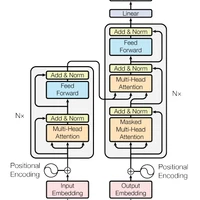

DeepSpeed Inference: Enabling Efficient Inference of Transformer Models at Unprecedented Scale
The past several years have witnessed the success of transformer-based models, and their scale and application scenarios continue to grow aggressively. The current landscape of transformer models is increasingly diverse: the model size varies drastically with the largest being of hundred-billion parameters; the model characteristics differ due to the sparsity introduced by the Mixture-of-Experts; the target application scenarios can be latency-critical or throughput-oriented; the deployment hardware could be single- or multi-GPU systems with different types of memory and storage, etc. With such increasing diversity and the fast-evolving pace of transformer models, designing a highly performant and efficient inference system is extremely challenging. In this paper, we present DeepSpeed Inference, a comprehensive system solution for transformer model inference to address the above-mentioned challenges. DeepSpeed Inference consists of (1) a multi-GPU inference solution to minimize latency while maximizing the throughput of both dense and sparse transformer models when they fit in aggregate GPU memory, and (2) a heterogeneous inference solution that leverages CPU and NVMe memory in addition to the GPU memory and compute to enable high inference throughput with large models which do not fit in aggregate GPU memory. DeepSpeed Inference reduces latency by up to 7.3X over the state-of-the-art for latency-oriented scenarios and increases throughput by over 1.5x for throughput-oriented scenarios. Moreover, it enables trillion parameter scale inference under real-time latency constraints by leveraging hundreds of GPUs, an unprecedented scale for inference. It can inference 25x larger models than with GPU-only solutions, while delivering a high throughput of 84 TFLOPS (over 50% of A6000 peak).

Efficient Avoidance of Vulnerabilities in Auto-completed Smart Contract Code Using Vulnerability-constrained Decoding
Auto-completing code enables developers to speed up coding significantly. Recent advances in transformer-based large language model (LLM) technologies have been applied to code synthesis. However, studies show that many of such synthesized codes contain vulnerabilities. We propose a novel vulnerability-constrained decoding approach to reduce the amount of vulnerable code generated by such models. Using a small dataset of labeled vulnerable lines of code, we fine-tune an LLM to include vulnerability labels when generating code, acting as an embedded classifier. Then, during decoding, we deny the model to generate these labels to avoid generating vulnerable code. To evaluate the method, we chose to automatically complete Ethereum Blockchain smart contracts (SCs) as the case study due to the strict requirements of SC security. We first fine-tuned the 6-billion-parameter GPT-J model using 186,397 Ethereum SCs after removing the duplication from 2,217,692 SCs. The fine-tuning took more than one week using ten GPUs. The results showed that our fine-tuned model could synthesize SCs with an average BLEU (BiLingual Evaluation Understudy) score of 0.557. However, many codes in the auto-completed SCs were vulnerable. Using the code before the vulnerable line of 176 SCs containing different types of vulnerabilities to auto-complete the code, we found that more than 70% of the auto-completed codes were insecure. Thus, we further fine-tuned the model on other 941 vulnerable SCs containing the same types of vulnerabilities and applied vulnerability-constrained decoding. The fine-tuning took only one hour with four GPUs. We then auto-completed the 176 SCs again and found that our approach could identify 62% of the code to be generated as vulnerable and avoid generating 67% of them, indicating the approach could efficiently and effectively avoid vulnerabilities in the auto-completed code.

FlashMoE: Fast Distributed MoE in a Single Kernel
The computational sparsity of Mixture-of-Experts (MoE) models enables sub-linear growth in compute cost as model size increases, thus offering a scalable path to training massive neural networks. However, existing implementations suffer from low GPU utilization, significant latency overhead, and a fundamental inability to leverage task locality, primarily due to CPU-managed scheduling, host-initiated communication, and frequent kernel launches. To overcome these limitations, we develop FlashMoE, a fully GPU-resident MoE operator that fuses expert computation and inter-GPU communication into a single persistent GPU kernel. FlashMoE enables fine-grained pipelining of dispatch, compute, and combine phases, eliminating launch overheads and reducing idle gaps. Unlike existing work, FlashMoE eliminates bulk-synchronous collectives for one-sided, device-initiated, inter-GPU (R)DMA transfers, thereby unlocking payload efficiency by eliminating bloated or redundant network payloads in sparsely activated layers. When evaluated on an 8-H100 GPU node with MoE models comprising up to 128 experts and 16K token sequences, FlashMoE achieves up to 9x higher GPU utilization, 6x lower latency, 5.7x higher throughput, and 4x better overlap efficiency compared to state-of-the-art baselines, despite using FP32, whereas the baselines use FP16. FlashMoE shows that principled GPU kernel-hardware co-design is key to unlocking the performance ceiling of large-scale distributed ML. We provide code at https://github.com/osayamenja/FlashMoE.

TETRIS: Optimal Draft Token Selection for Batch Speculative Decoding
We propose TETRIS, a novel method that optimizes the total throughput of batch speculative decoding in multi-request settings. Unlike existing methods that optimize for a single request or a group of requests as a whole, TETRIS actively selects the most promising draft tokens (for every request in a batch) to be accepted when verified in parallel, resulting in fewer rejected tokens and hence less wasted computing resources. Such an effective resource utilization to achieve fast inference in large language models (LLMs) is especially important to service providers with limited inference capacity. Compared to baseline speculative decoding, TETRIS yields a consistently higher acceptance rate and more effective utilization of the limited inference capacity. We show theoretically and empirically that TETRIS outperforms baseline speculative decoding and existing methods that dynamically select draft tokens, leading to a more efficient batch inference in LLMs.
Striped Attention: Faster Ring Attention for Causal Transformers
To help address the growing demand for ever-longer sequence lengths in transformer models, Liu et al. recently proposed Ring Attention, an exact attention algorithm capable of overcoming per-device memory bottle- necks by distributing self-attention across multiple devices. In this paper, we study the performance characteristics of Ring Attention in the important special case of causal transformer models, and identify a key workload imbal- ance due to triangular structure of causal attention computations. We propose a simple extension to Ring Attention, which we call Striped Attention to fix this imbalance. Instead of devices having contiguous subsequences, each device has a subset of tokens distributed uniformly throughout the sequence, which we demonstrate leads to more even workloads. In experiments running Striped Attention on A100 GPUs and TPUv4s, we are able to achieve up to 1.45x end-to-end throughput improvements over the original Ring Attention algorithm on causal transformer training at a sequence length of 256k. Furthermore, on 16 TPUv4 chips, we were able to achieve 1.65x speedups at sequence lengths of 786k. We release the code for our experiments as open source

PyTorch-Direct: Enabling GPU Centric Data Access for Very Large Graph Neural Network Training with Irregular Accesses
With the increasing adoption of graph neural networks (GNNs) in the machine learning community, GPUs have become an essential tool to accelerate GNN training. However, training GNNs on very large graphs that do not fit in GPU memory is still a challenging task. Unlike conventional neural networks, mini-batching input samples in GNNs requires complicated tasks such as traversing neighboring nodes and gathering their feature values. While this process accounts for a significant portion of the training time, we find existing GNN implementations using popular deep neural network (DNN) libraries such as PyTorch are limited to a CPU-centric approach for the entire data preparation step. This "all-in-CPU" approach has negative impact on the overall GNN training performance as it over-utilizes CPU resources and hinders GPU acceleration of GNN training. To overcome such limitations, we introduce PyTorch-Direct, which enables a GPU-centric data accessing paradigm for GNN training. In PyTorch-Direct, GPUs are capable of efficiently accessing complicated data structures in host memory directly without CPU intervention. Our microbenchmark and end-to-end GNN training results show that PyTorch-Direct reduces data transfer time by 47.1% on average and speeds up GNN training by up to 1.6x. Furthermore, by reducing CPU utilization, PyTorch-Direct also saves system power by 12.4% to 17.5% during training. To minimize programmer effort, we introduce a new "unified tensor" type along with necessary changes to the PyTorch memory allocator, dispatch logic, and placement rules. As a result, users need to change at most two lines of their PyTorch GNN training code for each tensor object to take advantage of PyTorch-Direct.